
Choosing high-quality mung beans can be comprehensively judged from aspects such as appearance, particle plumpness, odor, dryness, and impurity content. Fresh and high-quality mung beans usually have uniform granules, bright color, no insect infestation or mold, moderate dryness, and few impurities.
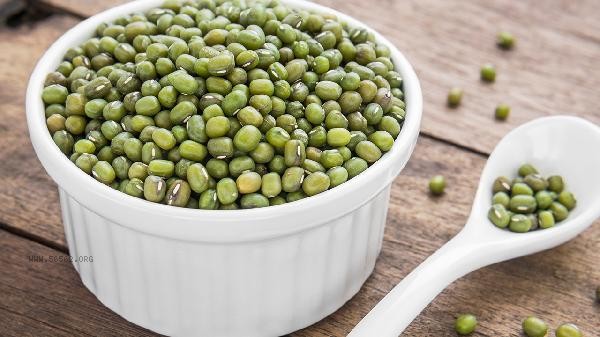
1. Appearance
High quality mung beans have a uniform dark green or yellow green skin, with a smooth and glossy surface. Aged mung beans may appear dark and gray in color, with the possibility of white frost or black spots. Observing the navel of fresh mung beans, the navel appears white or light yellow. If it turns black, it may have been stored for too long. Avoid choosing mung beans with damaged or cracked skin, as these beans are prone to moisture and spoilage.
2. Particle plumpness
When grabbing mung beans by hand, high-quality beans have a uniform size, a diameter of about 3-5 millimeters, a short cylindrical shape, and flat ends. Full green beans are firm and elastic when pinched, and are not easily dented by nails. Dried and empty mung beans often suffer from severe nutrient loss, resulting in poor taste and low sand yield after cooking.
III. Odor
Fresh mung beans should have a light bean aroma, without any peculiar or moldy taste. You can rub a small amount of mung beans in your palm and smell the smell. If there is a crackling or sour taste, it indicates that they have gone bad. Some vendors will use essence to cover up the smell of old beans, and should be alert to the unnatural aroma that is too strong.
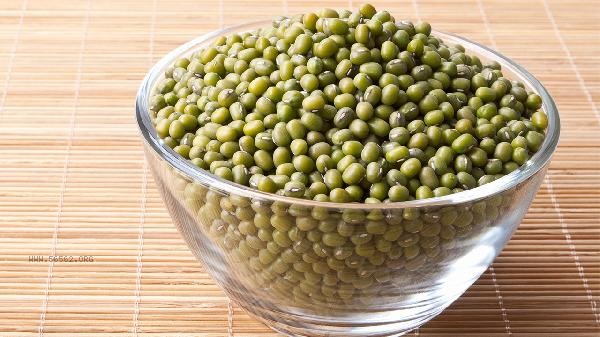
4. Dryness
High quality mung beans have a moisture content of less than 12% and a crisp rustling sound when grasped. Take a few green beans and bite them with your teeth. The dried beans will make a crisp sound and have a neat cross-section. Wet mung beans are prone to clumping and can easily become infested with insects and mold during storage. When purchasing, you can observe whether there is condensation of water vapor inside the packaging bag.
V. Impurity Content
The impurity content of mung beans from regular channels should be less than 1%. When selecting, pay attention to checking for foreign objects such as sand, gravel, soil blocks, and bean pod fragments. Green beans can be poured onto white paper for observation. High quality green beans have almost no dust, while low-quality beans often contain crushed particles. Organic mung beans may contain small amounts of natural impurities, but there should be no traces of chemical residues.
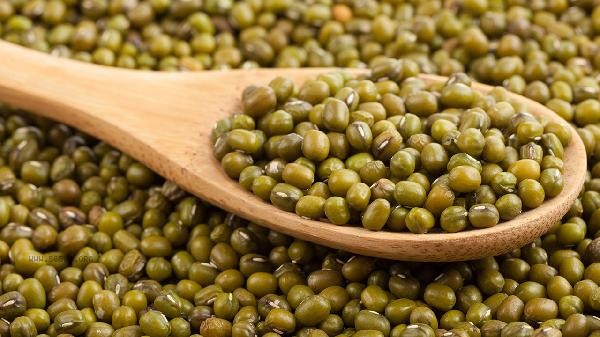
It is recommended to store mung beans in a sealed container in a cool and dry place for daily use. Sichuan peppercorns or dried chili peppers can be placed to prevent insects. During high temperature and humidity in summer, it can be refrigerated for storage, but attention should be paid to sealing and moisture prevention. Mung beans are rich in protein, B vitamins and dietary fiber, which are suitable for cooking Congee, beating soybean milk or making cakes. However, people with spleen and stomach deficiency and cold should control the consumption to avoid gastrointestinal discomfort caused by large consumption on an empty stomach. When purchasing, give priority to choosing seasonal new beans. Products with complete packaging and formal quality inspection labels are more reliable.








Comments (0)
Leave a Comment
No comments yet
Be the first to share your thoughts!