
The key to selecting mangosteen with large flesh petals is to observe the appearance and texture, mainly including the color of the fruit stem, the hardness of the fruit shell, the fullness of the fruit shape, the contour of the fruit petals, and the sense of weight.
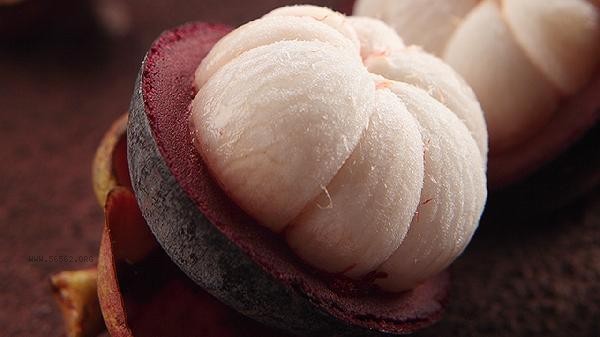
1. Fruit Stem Color
The stem of fresh bamboo is bright green and the leaves are full. The brighter the color of the stem, the closer the harvesting time. If the fruit stem dries up and turns black, it may cause the flesh to shrink, the number of petals to decrease, or the flesh to dry up after being stored for too long. When selecting, you can lightly touch the stem leaves with your fingers. It is best to have elasticity and no signs of detachment.
2. Hardness of fruit shell
The outer shell of mature bamboo should be slightly soft and elastic, and can rebound slightly when pressed. The hard shell may not be fully ripe, and the flesh petals may be small and sour; If the shell is too soft and collapses, it may become overcooked and rotten. Lightly press the middle of the fruit shell with your thumb, and if a shallow dent appears, the quickly restored mangosteen is more likely to peel off intact large pieces of flesh.
3. Full fruit shape
High quality mangosteen has a uniform flat circular shape, with 6-8 petal shaped sepals at the bottom. Fruits with uneven or significantly deformed appearance may have poor development and incomplete fruit pulp segmentation. Choose fruits with smooth surfaces and no depressions, and those with tightly arranged petals and sepals at the navel usually have larger petals.
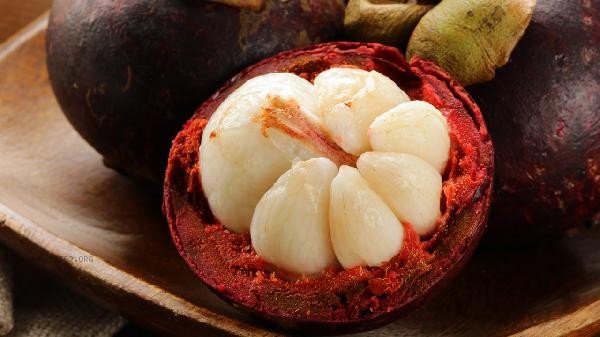
4. Fruit petal contour
When observing the bottom of the bamboo through light transmission, the shadow contour formed by the internal fruit petal bulge can be seen. Fruits with clear and evenly distributed petal shaped shadows have thicker flesh. If the shadow is blurry or only appears locally, the flesh may be sparse and loose. Avoid choosing fruits with obvious dark spots at the bottom, as these types of mountain bamboo are prone to bad petals.
5. Sense of Weight
The heavier the volume of mangosteen, the more abundant the water, and a single fruit weight of 90-120 grams is optimal. When weighing, feeling heavy indicates that the flesh is full and rich in juice, while a light floating sensation may indicate a thick shell and less flesh. Mangkhut can be placed in water, and those that sink faster usually have a higher proportion of flesh.
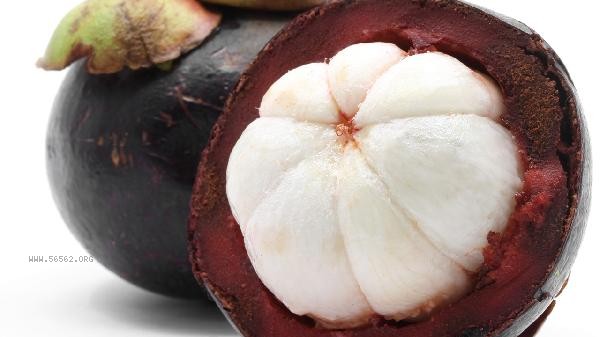
After purchase, it is recommended to refrigerate the mangosteen to delay moisture loss, and let it warm up at room temperature before consumption for better taste. Mangkhut is rich in hydroxycitric acid and dietary fiber. It is recommended to consume 3-4 cloves per day, as excessive intake may cause gastrointestinal discomfort. When selecting, be careful to avoid individuals with cracked fruit shells or exuding juice, as these fruits are susceptible to microbial contamination. If the fruit pulp turns yellow and tastes bad, it should be immediately stopped from consumption. People with allergies should observe for skin itching and other reactions when trying it for the first time.








Comments (0)
Leave a Comment
No comments yet
Be the first to share your thoughts!