
To select sweet pomelos, it is necessary to observe their appearance, press the skin, weigh them, smell the aroma, and look at the stem.
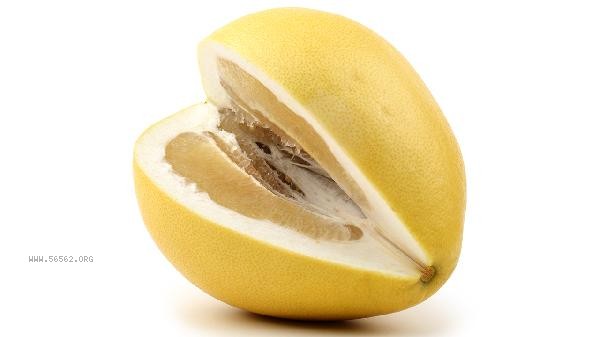
1. Appearance
High quality pomelos are usually pear shaped or gourd shaped, with a wide and full bottom and a slightly pointed top. The epidermis is smooth and delicate, without obvious bumps or spots, and the color is uniform in light yellow or orange yellow. Avoid choosing pomelos with irregular shapes or rough skin, as these fruits may have poor development or insufficient sweetness.
2. Press the skin
Gently press the bottom of the grapefruit with your fingers. The mature grapefruit skin has elasticity and can quickly rebound after pressing. If the skin is too hard, it indicates that it is not fully ripe, and if it is too soft, it may be stored for too long. Pay attention to moderate pressure to avoid damaging the fruit. Grapefruits with thin and compact skin usually have fuller and more juicy flesh.
3. Weigh pomelos of the same size. The larger the weight, the more abundant the moisture. Lift two similarly sized pomelos with both hands and compare them, choosing the fruit with a more solid texture. Grapefruits that are too light in weight may have shriveled flesh or coarse and hard fibers, which can affect their sweetness and taste.
4. Smell the aroma
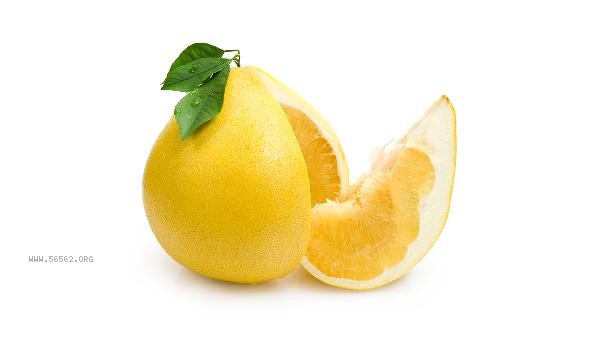
Mature pomelos will emit a fresh and rich fruity aroma, with the most prominent scent near the fruit stem. Grapefruits with weak or tasteless aroma may be immature or have lower sweetness. Pay attention to distinguishing between natural fruit aroma and fermented wine flavor, the latter indicating that the fruit may have gone bad.
5. Look at the fruit stem
Fresh pomelos have a greenish green and slightly sunken stem, and dry, peeling or blackened stems indicate that the picking time has been too long. The skin around the fruit stem should be smooth and free of wrinkles. If radial wrinkles appear, it may cause water loss due to prolonged storage time. Selected pomelos can be stored in a cool and ventilated place, which can promote sugar conversion and enhance sweetness. Gently rub the skin with salt before consumption to remove wax, and retain the white sponge layer during peeling to reduce bitterness. Grapefruit is rich in vitamin C and dietary fiber, but people with weak gastrointestinal function should avoid eating on an empty stomach, and diabetes patients need to control their intake. The fruit pulp can be used to make honey grapefruit tea or fruit salad, and the dried skin can be used as medicine or spice.








Comments (0)
Leave a Comment
No comments yet
Be the first to share your thoughts!