
Selecting high-quality turtles mainly observes five key indicators: appearance, motility, odor, abdomen, and breeding environment.
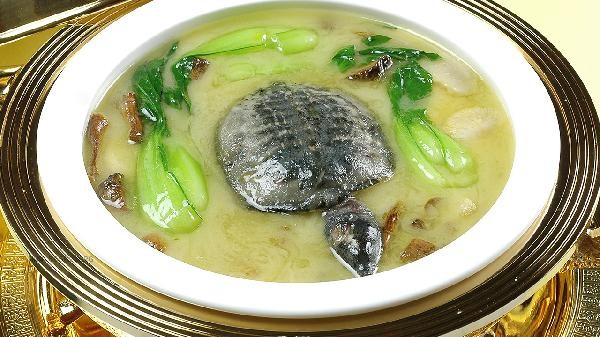
1. Complete appearance
Healthy turtles have a green brown or yellow brown dorsal shell, a smooth surface without damage, and neat edges without defects. The dorsal and ventral carapace are tightly connected without any abnormal protrusions or indentations. The head of the turtle can stretch and retract freely, the eyes are clear and lively, and there is no turbidity or congestion. The limbs are thick and strong, the claws are intact without breakage, and the webbing membrane between the toes is not damaged. There is no swelling or abnormal spots on the neck, and there is no ulceration or parasitic attachment on the skin.
2. Sensitive
Fresh turtles have quick reflexes, quickly retracting their heads into their shells and struggling vigorously with their limbs when touched. After flipping and placing the turtle, healthy individuals can quickly turn over on their own. When swimming in water, the movements are coordinated without obvious tilting or difficulty in sinking or floating. Breathe steadily when at rest, without gasping or frequently surfacing for air. Avoid selecting individuals with slow movements and delayed responses.
3. Fresh odor
High quality turtles have a slight aquatic fishy smell and no pungent or chemical odor. The gill filaments are bright red in color, without excessive mucus or blackening. The inner wall of the oral cavity is pink in color, with no ulcers or abnormal secretions. The area around the ejaculation hole is clean and dry, with no redness, swelling or residual excrement. If there is a noticeable odor or liquid smell, it may have been treated with illegal additives.
4. Abdominal condition
The abdominal armor should be milky white or light yellow, with a hard and shiny texture, and no bruising or red areas. Pressing the abdominal armor has elasticity and quickly rebounds without any indentation. There are no abnormal secretions or parasites at the seam between the abdominal and dorsal shells. Female turtles have a relatively flat abdominal shell, while males have a slightly concave center. Excessive swelling or abnormally soft abdomen may indicate visceral lesions.
5. Breeding environment
Priority should be given to suppliers with clear water quality and reasonable breeding density. There is no excessive sludge or corruption at the bottom of the aquaculture pond, and there is no oil film or foam in the water. Check the breeding records to understand the growth cycle. The growth rate of naturally bred turtles is slow. Wild turtles need to confirm legal fishing certificates to avoid purchasing protected species. The greenhouse accelerated turtle has a round body shape and a thin shell.
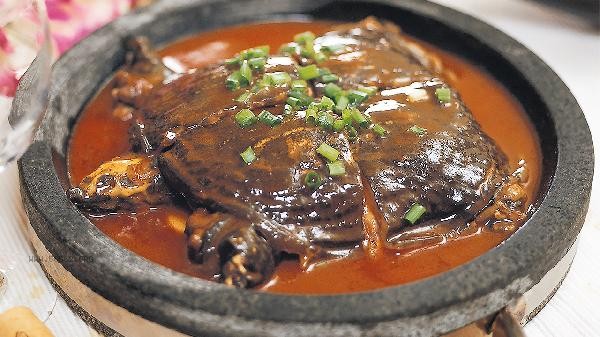
After purchase, it is recommended to temporarily incubate with clean water for 1-2 days to eliminate impurities from the body. Before cooking, use a soft bristled brush to clean the gaps between the shells. Turtle is rich in high-quality protein, collagen, and various minerals, suitable for stewing soup or steaming, but patients with hyperuricemia should control their consumption. Be careful not to be bitten during handling, and cook as soon as possible after slaughter to ensure freshness. To preserve live turtles, it is necessary to maintain a moist environment with a temperature of 15-25 degrees Celsius.








Comments (0)
Leave a Comment
No comments yet
Be the first to share your thoughts!