
The selection of fresh pork can be comprehensively judged from five aspects: color, aroma, texture, fat distribution, and purchasing channels. Fresh pork usually presents a light red or bright red color, with a slightly dry and non stick surface, a slight fishy smell without any odor, and white and shiny fat. It is recommended to choose a regular supermarket or brand counter for purchase.
1. Color
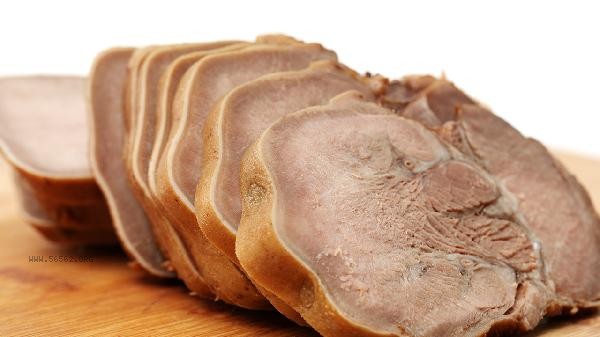
Fresh pork muscle tissue presents a uniform light red or bright red color, with a natural luster on the surface. The color of spoiled pork may darken to deep red or brownish red, and meat stored for too long may exhibit yellowing or greenish edges. The color of the injected pork is light and there are water stains seeping out on the surface, with visible reflective spots under the light.
2. Odor
Normal pork has a slight fishy smell but not pungent, while frozen meat may have a refrigerated odor. If you smell a sour, putrid, or pungent smell of chemical agents, it indicates that the meat has deteriorated or undergone illegal processing. When purchasing, gently press the meat chunks and smell the residual odor on your fingers. The fresh meat odor dissipates quickly.
3. Touch
Pressing fresh pork with fingers has elasticity, and the concave area can quickly rebound. The surface is slightly moist but not sticky to the hand. The spoiled meat is soft and inelastic, leaving obvious indentations after pressing, and the surface is sticky or excessively dry. Water injected pork has a soft texture, but when pressed, water seeps out and the meat structure becomes loose.
4. Fat Distribution
High quality pork fat appears milky white or light white, with a tight and shiny texture, and obvious layering with muscles. The fat in diseased pork may turn yellow or pink, and some may contain abnormal granular substances. The evenly distributed snowflake shaped fat patterns in lean meat are a sign of tender and tender meat.
Fifth, purchase channels
Priority should be given to regular supermarkets, agricultural markets, or brand cold fresh meat counters with quarantine marks to check the animal product quarantine certificate and meat quality inspection certificate. Avoid purchasing meat products with unclear sources and abnormally low prices. Online purchases require confirmation of cold chain delivery conditions.
When selecting, it is recommended to choose warm meat slaughtered on the same day or cold fresh meat transported throughout the cold chain to avoid repeatedly freezing and thawing frozen meat. After purchase, it should be refrigerated as soon as possible. If it cannot be refrigerated within 2 hours, it should be placed in a cool and ventilated place. Before cooking, pay attention to whether there is any abnormal discoloration or mucus. After handling raw meat, thoroughly clean your hands and kitchen utensils. Pork from different parts is suitable for different cooking methods. Pork tenderloin is suitable for quick stir frying, pork belly is suitable for braising, and leg meat can be used for stewing. Selecting the corresponding parts according to needs can improve the taste and nutritional utilization of the dish.








Comments (0)
Leave a Comment
No comments yet
Be the first to share your thoughts!