
The maturity of tomatoes can be determined by observing characteristics such as color, texture, aroma, stem condition, and fruit hardness.

1. Color
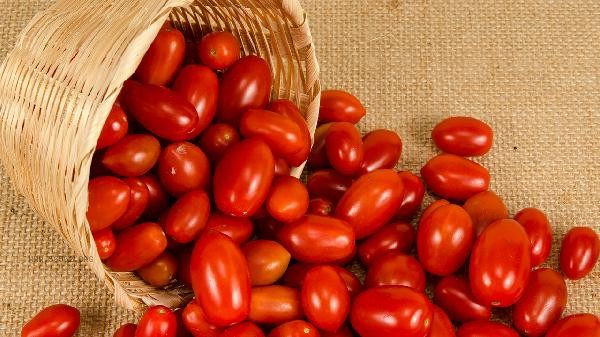
Mature tomato skins have a uniform and bright color, with red varieties appearing deep red or orange red, and yellow varieties turning bright yellow. Immature fruits usually have obvious green spots or overall greenish tint, and some varieties may have yellow green stripes when they mature, but the color needs to be judged comprehensively based on other characteristics.
2. Touch
When lightly pinched, the fruit has a slight elasticity but is not soft or rotten, which is a sign of maturity. If it is hard, it is not fully ripe. Mature tomatoes have a smooth and angular surface with a slight velvety texture. Avoid choosing fruits with sticky or partially sunken skin, as this may indicate overripe or spoiled.
3. Odor
The fresh and sweet aroma emanating from the fruit stem is a mature characteristic, while the unripe fruit has a faint odor. Some varieties have a special herbal aroma after maturity. If there is a fermented or sour smell, it indicates that it has started to spoil.
4. Stem condition
Mature tomato stems have uniform color around them, and withered stems are prone to natural shedding. The fresh fruit stem is green and closely attached to the fruit, which may not be fully ripe yet. Note that there should be no mold or cracks on the fruit stem.
5. Fruit Hardness
Mature fruits have a moderate overall hardness, and there is no shaking sensation in the internal flesh when gently shaken. Hard tomatoes may undergo ripening treatment, while soft tomatoes may be damaged during transportation. After longitudinal cutting, the pectin was gel like, and the seeds were plump and milky yellow.
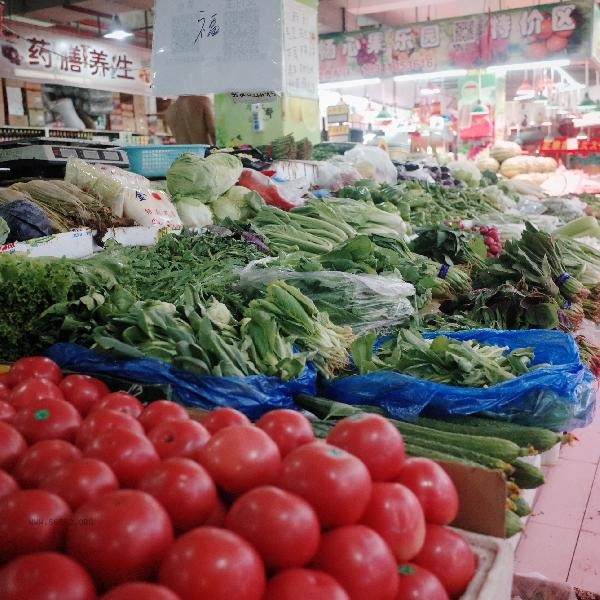
When selecting, you can prioritize choosing tomatoes with vines for freshness, and storing them at room temperature can promote post ripening. Immature tomatoes can be stored together with apples and bananas in paper bags, as ethylene gas can accelerate the ripening process. Mature tomatoes are recommended to be refrigerated and consumed as soon as possible. Prolonged high temperatures during cooking can damage vitamin C and lycopene, while quick blanching and peeling can maximize nutrient retention. People with spleen and stomach deficiency and cold should not consume too many raw tomatoes on an empty stomach. Ripe tomatoes are more conducive to the absorption of lycopene.








Comments (0)
Leave a Comment
No comments yet
Be the first to share your thoughts!