
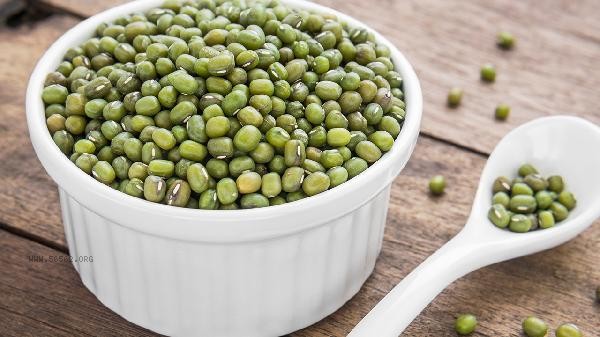
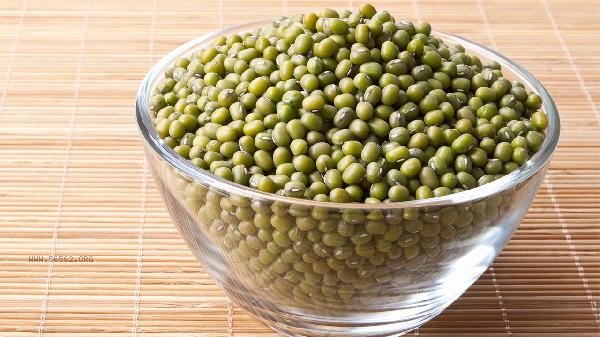
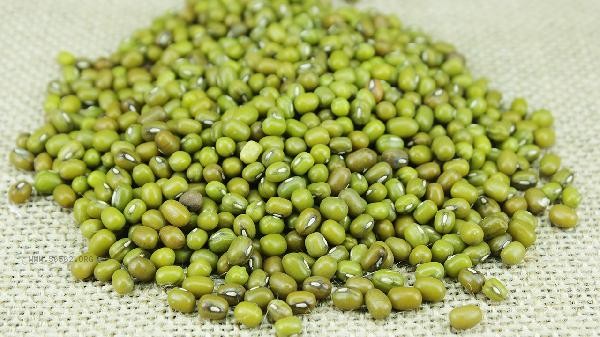
Whether mung beans have spoiled can be determined by observing characteristics such as color, odor, texture, insect infestation, and mold spots. Fresh mung beans are plump and green in color, with a fragrant aroma of legumes and no damp clumps or abnormal spots. The darkening, yellowing, or appearance of black brown spots on mung beans may be caused by prolonged storage time or moisture. Wet mung beans are prone to the growth of Aspergillus flavus, which produces toxic metabolites. It is recommended to discard them directly. Normal mung beans should present a uniform fresh green color. If uneven color or localized redness is found, it may have undergone a qualitative change.
Degraded mung beans will emit a rancid, moldy, or sour taste, which is significantly different from the fragrant aroma of normal beans. Green beans can be gently rubbed in the palm of your hand and smelled. If they have a pungent or earthy odor, they should not be consumed. Some aged mung beans, although not moldy, will lose their original aroma and significantly reduce their nutritional value.
High quality mung bean granules are dry and hard, and are not easily broken when pinched and pressed by hand. If the surface of mung beans becomes sticky, softened, or yellow inside after crushing, it indicates that they have been affected by moisture and deteriorated. Green beans that float on the water surface during soaking are usually of poor quality, while those that sink to the bottom are fresher. Improper storage of mung beans can easily cause moisture absorption and clumping. Mung beans that form clumps should be consumed with caution. The appearance of insect eyes or live insect eggs on mung beans indicates that they have been affected by pests, and these mung beans may carry pathogenic bacteria. Worms can cause small holes on the surface of mung beans, and in severe cases, the interior of the beans can be hollowed out. If insect threads or powdery substances are found inside the packaging bag, it indicates that the mung beans have gone bad due to insect infestation and it is not recommended to continue consuming them. White, green, or black fuzzy fungal spots may appear on the surface of moldy mung beans, and the moldy area is usually accompanied by a damp sensation. Aflatoxin is heat-resistant and highly toxic, and cannot be decomposed even when cooked. Slightly moldy mung beans have a grayish overall color and may have black mold spots at the navel. These mung beans must be discarded as a whole batch.
Green beans should be stored in a sealed container in a cool and dry place. Sichuan peppercorns or dried chili peppers can be placed to prevent insects. Regularly check the condition of mung beans, and it is recommended to pack them separately and freeze them for storage in summer. If green beans show signs of moisture, they can be dried and consumed as soon as possible. Sprouted mung beans have higher nutritional value, but moldy sprouted mung beans can produce toxins, so it is necessary to carefully identify the characteristics of spoilage before consumption.








Comments (0)
Leave a Comment
No comments yet
Be the first to share your thoughts!