
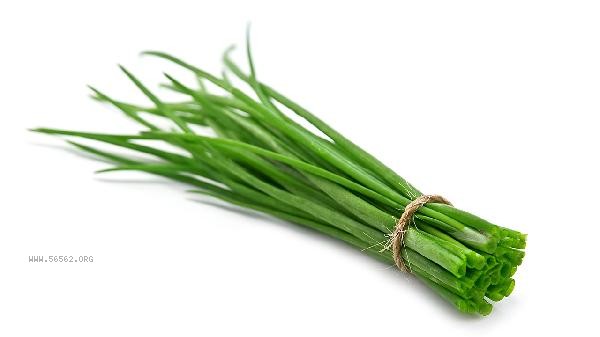
After eating leek dumplings, bad breath can be relieved by rinsing the mouth, drinking green tea, chewing gum, consuming acidic fruits, or drinking yogurt. The sulfides in chives are the main cause of bad breath, and these methods can neutralize or mask the odor.
1. Rinsing
Rinsing with water or fluoride mouthwash can effectively remove residual leek debris and sulfides in the mouth. It is recommended to rinse your mouth immediately after eating, focusing on cleaning the tongue coating and gaps between teeth to reduce the attachment of odor substances. Rinsing with warm salt water can also inhibit the growth of oral bacteria, further reducing the duration of bad breath.
2. Drinking Green Tea
The tea polyphenols in green tea have antioxidant and antibacterial effects, and can decompose sulfides in the mouth. Drinking unsweetened concentrated green tea has a better effect, and the temperature of the tea soup should be around 60 degrees Celsius, which can promote the dissolution of effective ingredients without damaging the oral mucosa. Continuous sipping is more effective than drinking in large quantities at once.
3. Chewing Gum
Sugar free gum cleans the mouth through a dual effect of mechanical friction and saliva secretion. Choosing chewing gum containing xylitol can stimulate saliva secretion to flush odor substances and inhibit the growth of cariogenic bacteria. It is recommended to chew for 10-15 minutes, as excessive chewing may lead to temporomandibular joint fatigue.

4. Eating acidic fruits
Organic acids and pectin from fruits such as apples and lemons can adsorb sulfides. Chewing apples directly is more effective than juicing them for drinking, and the pulp fibers can physically clean the surface of teeth. Citrus fruits should be consumed 30 minutes after meals to avoid potential erosion of tooth enamel by fruit acids.
5. Drinking yogurt
Probiotics and lactic acid in yogurt can regulate the balance of oral microbiota and inhibit anaerobic bacteria that produce odors. Choose plain yogurt without added sugar, and rinse your mouth with water after drinking to avoid lactose residue. refrigerated yogurt contains more active probiotics and has a longer lasting deodorizing effect than room temperature yogurt.

Vegetables and fruits rich in vitamin C can be paired with daily diet to enhance oral mucosal resistance. Long term breath problems may be related to gastrointestinal function or oral diseases. If the above methods are ineffective, it is recommended to seek medical examination. Maintaining regular meals and sufficient water intake can help maintain a stable oral environment and reduce food residue retention. Regular oral check ups and teeth cleaning can effectively prevent stubborn bad breath caused by periodontal disease.








Comments (0)
Leave a Comment
No comments yet
Be the first to share your thoughts!