
Red beans need to go through four key steps to make bean paste: soaking, boiling, peeling, and stir frying. The production methods of Red bean soup mainly include selecting beans to soak, slow boiling, sieving and peeling, adding sugar and frying, and cold storage.
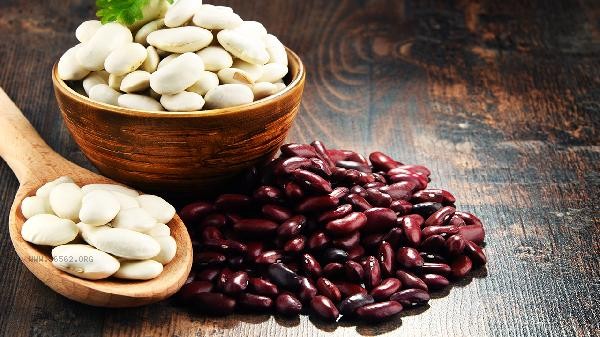
1. Soaking Beans
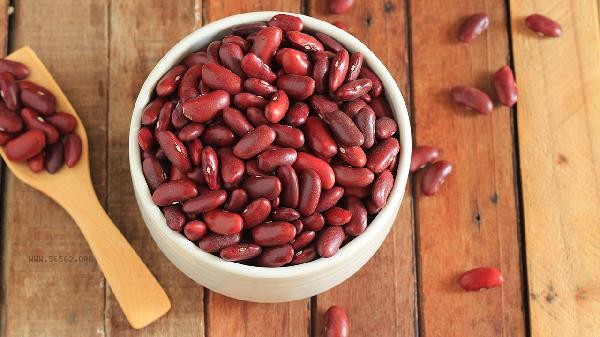
Choose plump red beans and soak them in water for at least 6 hours in advance. In summer, they should be refrigerated to prevent fermentation. Red beans that have fully absorbed water can shorten the boiling time and prevent the outer skin from cracking and the inner core from becoming dry and hard. Aged red beans need to be soaked for an additional 12 hours, and any floating beans should be removed.
2. Slow boil over low heat
After soaking, add 3 times the amount of water to the red beans and bring to a boil over high heat. Remove any foam and simmer over low heat for 1 hour. Using a clay pot or a thick bottomed pot is more conducive to uniform heat transfer, and a small amount of cold water can be added during this period to stimulate skin rupture. The criterion for judgment is that the fingers can easily crush the beans, and a portion of the soup is reserved for subsequent adjustment of viscosity.
3. Sift and Peel
Pour the boiled red beans into a fine mesh sieve, and use a spoon to press and filter out the fine bean paste. The traditional method involves retaining a portion of the bean skin to increase fiber content. If a silky texture is desired, it can be sieved 2-3 times. The filtered soybean skin contains abundant polyphenolic substances, which can be dried and used to make tea substitutes.
4. Add sugar and stir fry
mashed beans in a non stick pan over low to medium heat. Add sugar or brown sugar in portions until the sweetness is appropriate. The frying process requires continuous stirring to prevent burning, and when the bean paste can clump together without sticking, add vegetable oil to enhance the aroma. Cantonese style bean paste will be flavored with tangerine peel powder, while Beijing style recipes prefer to retain a slight graininess.
5. Refrigerated storage
Stir fried bean paste should be bottled and sealed while hot. It can be stored for 5-7 days in refrigeration and up to 3 months in freezing. When using, take the required amount and stir fry to restore texture. Adding osmanthus sauce or sesame sauce can make flavor variations. Homemade bean paste does not contain preservatives. If it has a sour taste or mold spots, it should be discarded immediately.
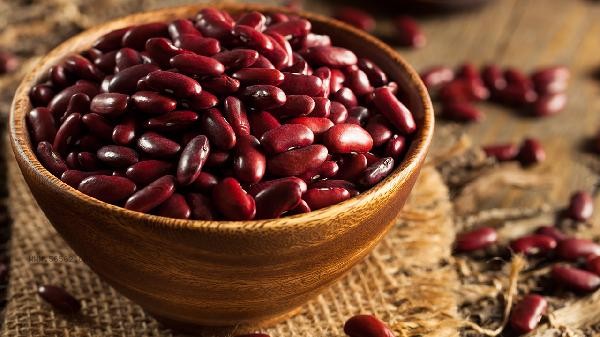
It is recommended to use fresh red beans from the current season during the production process, and extend the soaking time for aged beans. Sucrose can be replaced by sugar substitute in patients with diabetes, and the amount of oil used should be controlled in people with hypertension. Red bean paste can be used with glutinous rice products, but the single intake of indigestion needs to be controlled. Uneaten bean paste can be packaged and frozen. After thawing, the taste may slightly change, but it is still suitable for baking fillings. The bean paste produced by traditional techniques can maximize the retention of protein and B vitamins in red beans, avoiding the problem of trans fatty acids that may be present in commercially available products.








Comments (0)
Leave a Comment
No comments yet
Be the first to share your thoughts!