
Raw crabs are best stored in low-temperature refrigeration or freezing, with specific methods including temporary water storage, refrigeration preservation, freezing treatment, cooked packaging, and frozen packaging.

First, live crabs can be temporarily raised in clean water for a short period of time. Select a deep container and inject a small amount of clean water, with the water level not exceeding the height of the crab shell, to avoid the crab from being oxygen deficient and suffocating. Change the water daily and remove dead crabs. It can be stored at room temperature for 1-2 days. This method is suitable for fresh crabs planned to be consumed the next day, and can maximize freshness.
2. Refrigeration and Preservation
Tie the crabs and place them in a breathable container, cover them with a damp towel, and place them in the refrigerator's refrigeration area. The temperature should be controlled at 4-8 degrees Celsius, and the humidity should be kept at a high level. Refrigeration can delay the metabolism of crabs, with a storage time of about 3 days. Be careful to isolate from other foods and avoid cross contamination. After refrigeration, the elasticity of crab meat will slightly decrease, making it suitable for fast cooking methods such as steaming.
III. Freezing Treatment
It is recommended to freeze for long-term storage. Wash the crabs, cut them whole or in pieces, seal them tightly with plastic wrap, and place them in the freezer. It can be stored for 1-2 months in an environment of minus 18 degrees Celsius. Freezing can cause changes in the fiber structure of crab meat, making it suitable for making heavy flavored dishes such as spicy crab and curry crab after thawing. Be careful to avoid repeated thawing.
Fourthly, cooked and packaged

After steaming and cooking, crabs can be disassembled and packaged for refrigeration. Separate the crab meat and crab roe, put them in a sealed box, pour a small amount of soup, refrigerate for 3 days, and freeze for 2 weeks. The cooked sub packaging is convenient for direct use, and is suitable for making crab Fried Rice, crab roe tofu and other secondary processed dishes, but the fresh taste will be lost.
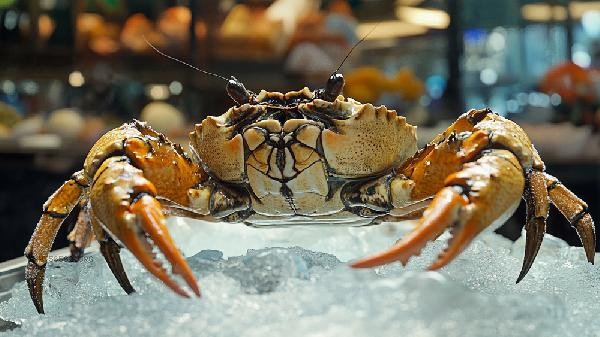
Fifth, Fresh Ice Package
can be stored in fresh ice during transportation. Wrap the crab with absorbent paper, cover it with crushed ice cubes, and place it in a thermos. Maintaining a low temperature and humid environment can keep you fresh for 12 hours in summer. This method is suitable for express transportation or temporary handling after wild fishing, and attention should be paid to timely replenishment after the ice melts.
The preservation of crabs should be selected according to the consumption plan. Live crabs are recommended to be temporarily kept in clean water or refrigerated, while dead crabs must be cooked or frozen immediately. Regardless of the method, it is important to ensure that the container is clean and regularly check the crab's condition. When thawing frozen crabs, it is recommended to move them to the refrigerator and thaw slowly to avoid bacterial growth during room temperature thawing. Before cooking, it is necessary to confirm that the crab has no odor, and the crab shell has no signs of spoilage such as mucus, to ensure food safety. Daily storage can be combined with natural antibacterial materials such as ginger and perilla to extend the shelf life.








Comments (0)
Leave a Comment
No comments yet
Be the first to share your thoughts!