
Homemade beverages can add carbon dioxide by reacting baking soda with citric acid, using carbon dioxide gas bombs, or blending carbonated water. Attention should be paid to the ratio of raw materials and safety in home production to avoid excessive intake that may cause gastrointestinal discomfort. The reaction between baking soda and citric acid is a common household carbonation method, and the two will produce carbon dioxide bubbles when mixed with water. It is recommended to use food grade raw materials and mix them in a 1:1 ratio. Dissolving them in cold water can reduce rapid gas release. Slowly stir during operation to avoid splashing, and drink the finished product as soon as possible to prevent gas loss. This method is suitable for making lemon or fruit flavored sparkling water, but it should be noted that baking soda may bring a slight salty sensation.
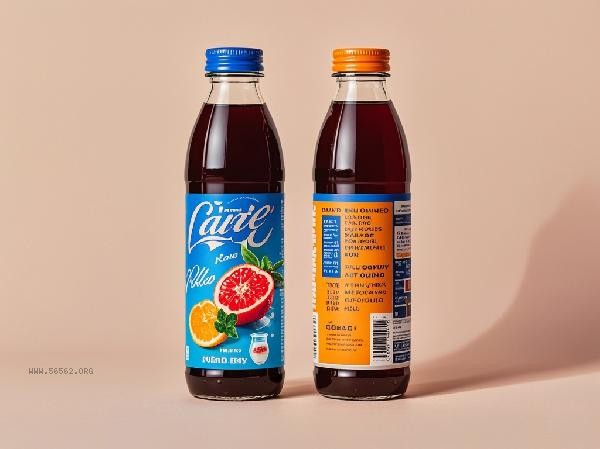
Carbon dioxide gas bombs inject food grade carbon dioxide into sealed containers under high pressure, enabling the rapid production of high bubble strength beverages. Special gas cylinders and sealing caps must be used in conjunction with refrigerated beverages to enhance gas dissolution before use. This method is suitable for making soda water or bubble coffee, but it should be noted that there is a risk of explosion in the pneumatic pressure vessel, and children should be kept away from the operation. The injection time should not be too long each time to avoid over saturation of the beverage, which may cause a bottle to burst.
Directly using commercially available carbonated water for blending is the safest way for home carbonation, and sugar free soda water or sparkling mineral water can be chosen as the base. Mixing concentrated fruit juice, syrup, and other ingredients with chilled carbonated water can retain more bubbles and provide a refreshing taste. Attention should be paid to the continuous release of gas after opening carbonated water. It is recommended to drink it immediately. This method is suitable for making fruit bubble drinks or bubble tea, but it cannot achieve the high carbonation level of commercial beverages.
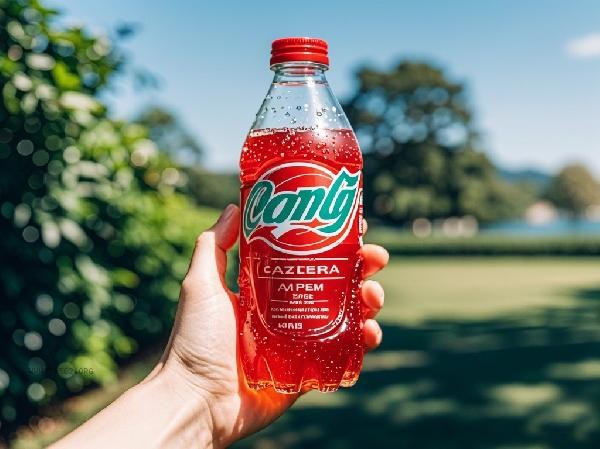
It is recommended to consume no more than 500 milliliters of homemade carbonated drinks per day, and those with weak gastrointestinal function should reduce their consumption. Avoid using industrial grade chemical raw materials and strictly disinfect all utensils. Patients with diabetes can choose a sugar substitute formula, while patients with hypertension need to control the amount of sodium bicarbonate. Children should drink under parental supervision. If symptoms such as bloating and acid reflux occur, they should stop immediately. Long term heavy consumption may affect calcium absorption, it is recommended to balance nutrition with calcium containing foods.









Comments (0)
Leave a Comment
No comments yet
Be the first to share your thoughts!