
Pomelo with a sweetness level exceeding 12 degrees is usually considered sweet, but the actual sweetness level is affected by factors such as variety, maturity, and planting environment. The sweetness of pomelo is mainly measured by the content of soluble solids, and common varieties such as Shatian pomelo and honey pomelo have a sweetness between 10-15 degrees when they mature. When the sweetness reaches 12 degrees or above, most people can clearly perceive the sweetness, and at this time, the flesh juice is abundant and the sourness is low. Some improved varieties such as Sanhong pomelo and Golden Honey pomelo can have a sweetness level exceeding 15 degrees. These pomelos have thinner skin and finer flesh, making them suitable for people who prefer high sweetness. Pomelo with a sweetness level below 10 degrees may have a distinct sour or slightly bitter taste due to incomplete maturity or variety characteristics. Early picked pomelos may have a sweetness of less than 8 degrees due to insufficient sugar accumulation, and the flesh may be hard and have a strong fiber texture. Some medicinal varieties, such as Wendan pomelo, have lower sweetness but are rich in active ingredients such as naringin, making them more suitable for making candied fruits or medicinal use.
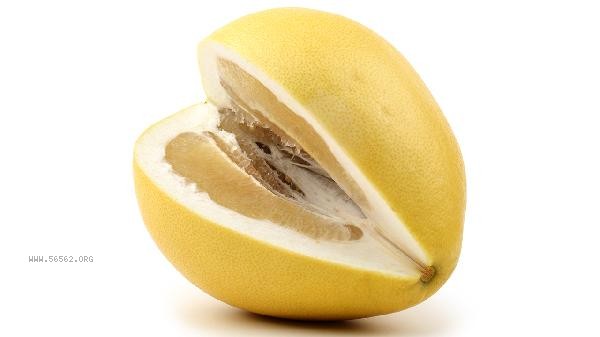
When selecting sweet pomelos, you can observe whether the skin color is uniform and whether there is elasticity when pressed. Mature pomelos are mostly golden yellow and emit a refreshing fragrance. When storing, avoid humid environments and place it in a ventilated area at room temperature to promote sugar conversion. Special people, such as diabetes patients, need to control their intake. It is recommended to take it with nuts or whole grains to slow the rise of blood sugar.








Comments (0)
Leave a Comment
No comments yet
Be the first to share your thoughts!