
Tomatoes can usually be harvested when the skin has completely changed color and is slightly soft. The criteria for judging maturity mainly include uniform fruit color, elastic flesh, loose fruit stem, fruit weight, and aroma emission.
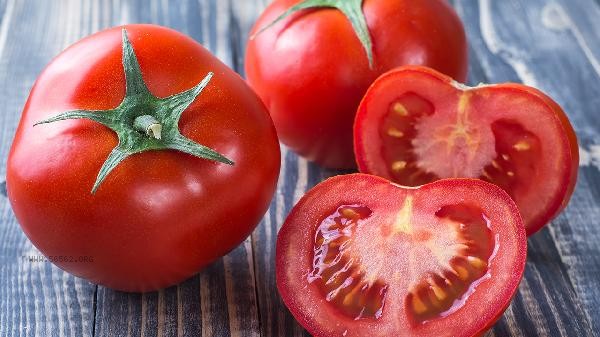
1. Uniform Fruit Color
The skin color of mature tomatoes will completely change from green to variety specific red, yellow, or purple, and the color will be uniform without green spots. There are differences in the color characteristics of different varieties, for example, cherry tomatoes will appear a bright ruby red color, while steak tomatoes will appear a deep dark red color. The most accurate way to observe the color change at the bottom of the fruit is to turn the color here.
2. Elasticity of fruit flesh
When lightly pressing the shoulder of the fruit with the thumb, moderate elasticity can be felt, and if it slowly rebounds after pressing, it is considered ripe. When immature, the fruit is as hard as stone, and when overripe, pressing it will cause obvious finger marks that are difficult to recover. Pay attention to the gentle force during testing to avoid leaving mechanical damage on the surface of the fruit.
3. Loosening of fruit stem
The connection between the fruit stem and branches of mature tomatoes will form a separation layer, which can naturally separate when gently lifted. If force is required to pull, it indicates that the plant is not yet mature, and forced harvesting may damage the plant. When picking, you can hold the fruit and rotate it up 90 degrees. A slight "pop" sound indicates successful harvesting.
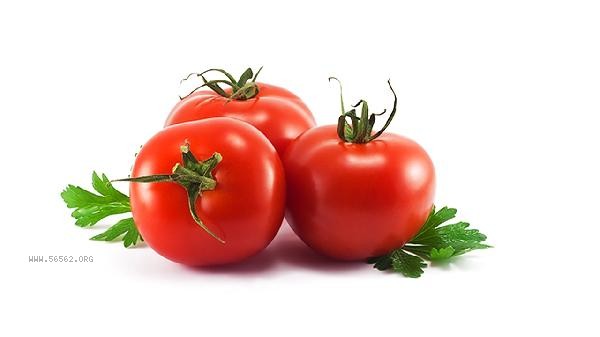
4. Fruit Weight
Fully ripe fruits will be noticeably heavy due to the accumulation of sugar and water, and may have a drooping sensation when held in hand. Fruits of the same variety and size tend to have a stronger sense of ripeness. It can be assisted by comparing the weight differences of different fruits on the plant horizontally.
5. Aroma Release
Mature tomatoes will emit a unique sweet aroma around the fruit stem, which can be clearly smelled when approached. Immature fruits are tasteless or have a grassy taste, while overripe fruits can produce a fermented flavor. The best time to detect fragrance is after the dew dries in the early morning.
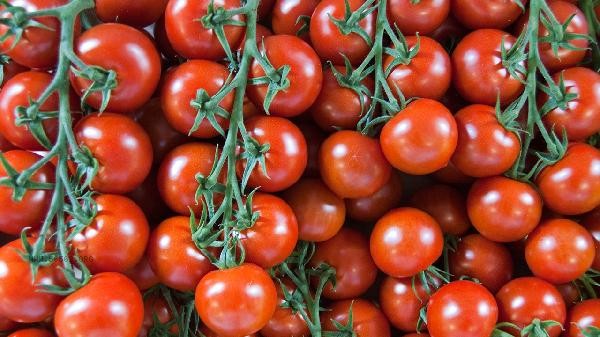
After picking, it is recommended to keep the fruit stem to extend the shelf life and avoid stacking damage during storage. Storing at room temperature can promote post ripening and increase sweetness, while refrigeration can inhibit the formation of flavor compounds. For raw food, it is recommended to choose fully ripe fruits, and for cooking, you can pick slightly blue-green fruits. Regular harvesting can stimulate continuous fruiting of plants, and it is necessary to harvest in advance before the rainy season to avoid fruit cracking. The maturity period of different varieties varies greatly, and large fruit type varieties usually require a longer time to accumulate flavor compounds.








Comments (0)
Leave a Comment
No comments yet
Be the first to share your thoughts!