
It is recommended to control the daily water intake during weight loss at 1500-2000 milliliters, which should be adjusted according to weight, activity level, and diet. Adequate drinking water can help promote metabolism, but excessive intake may increase the burden on the kidneys. The water demand during weight loss is closely related to the basal metabolic rate. For every 10 kilograms increase in weight, an additional 200-300 milliliters of water should be consumed daily. In aerobic exercise or high temperature environments, 200-300 milliliters of warm water can be replenished per hour. Drinking 300ml of water 30 minutes before meals can create a sense of fullness and reduce the amount of food consumed during meals. Choose zero calorie drinks such as plain water and light tea water to avoid sugary drinks that can offset weight loss effects. Observing the color of urine is a simple criterion for judgment, with light yellow indicating moderate water intake.
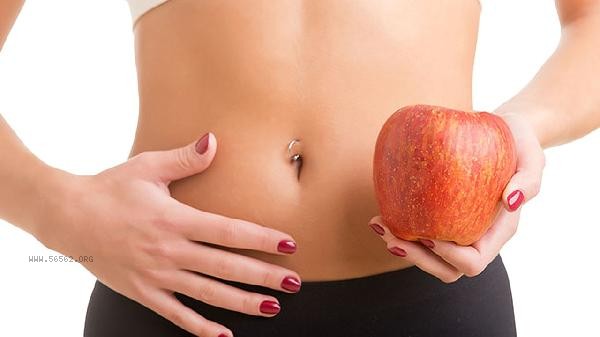
It is recommended to allocate daily water intake to multiple periods throughout the day to avoid drinking large amounts of water in a short period of time. Drinking 200ml of warm water on an empty stomach in the morning can activate intestinal peristalsis, and adding 200ml one hour after a meal can help with digestion. Add 150-200 milliliters of water before and after exercise to maintain fluid balance. Control water intake 2 hours before bedtime to prevent frequent nighttime awakenings from affecting sleep quality. It can be paired with high water content vegetables and fruits such as cucumbers, watermelons, etc., to supplement some water through food. If dehydration symptoms such as dizziness and fatigue occur, electrolyte water should be replenished in small amounts and multiple times in a timely manner.








Comments (0)
Leave a Comment
No comments yet
Be the first to share your thoughts!