
About 4000 ml of water is needed for 500g of soybeans to make soybean milk. The ratio of soybeans to water is usually 1:8, and the amount of water can be adjusted according to personal taste preferences.
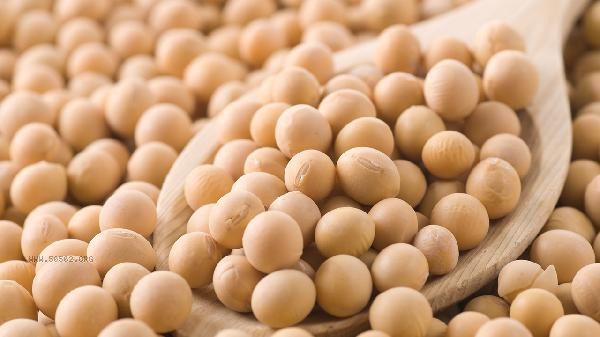
Soybean is rich in high-quality protein, dietary fiber and a variety of minerals. When making soybean milk, full immersion and grinding will help release nutrients. Dried soybeans need to be soaked in water for 6-8 hours in advance until fully swollen, with a water absorption capacity of about 2-3 times their dry weight. When using a wall breaking machine or a soybean milk machine for grinding, adding water in batches can improve the fineness of the slurry. It is better to add water just to submerge the soybeans for the first time, and adjust the water to the target ratio for the second time. The filtered soybean dregs can be repeatedly mixed with water to improve the utilization rate, but will reduce the concentration of soybean milk.
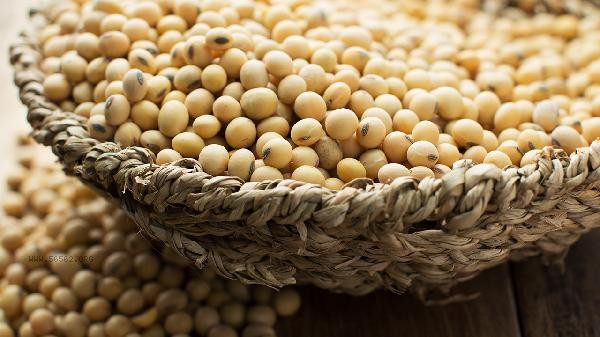
Too much water will lead to thin taste of soybean milk and decrease of nutrition density; If the water volume is too low, it may cause the pot to become burnt or produce a burnt smell. Elderly people or those with weak digestive function can increase their water intake to 1:10, and it is recommended to filter and dilute infant and toddler complementary foods to 1:12. When using the full-automatic soybean milk machine, pay attention not to exceed the maximum water level, and the traditional cooking method requires continuous mixing to prevent sedimentation. The freshly ground soybean milk must be boiled and kept on low fire for 5 minutes to eliminate anti nutritional factors such as saponins.
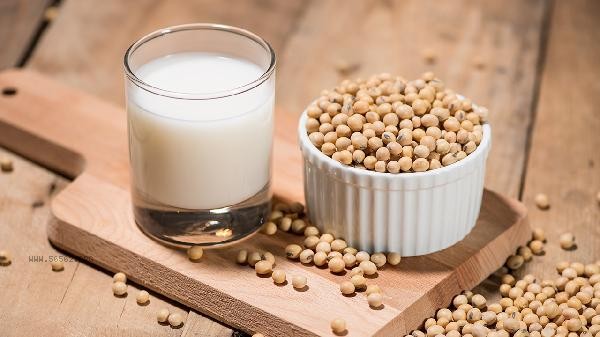
It is recommended to consume within 2 hours after production and store in refrigeration for no more than 24 hours. When drinking, it can be paired with whole grains to enhance amino acid complementarity and avoid consuming vegetables high in oxalic acid, which can affect calcium absorption. Individuals with abnormal blood sugar levels should control their single intake within 200 milliliters, and consumption should be temporarily suspended during acute gout attacks. Regularly changing bean varieties such as black beans and chickpeas can enrich the intake of plant nutrients.








Comments (0)
Leave a Comment
No comments yet
Be the first to share your thoughts!