
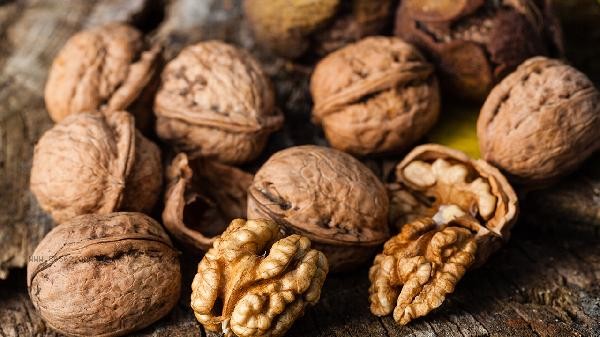
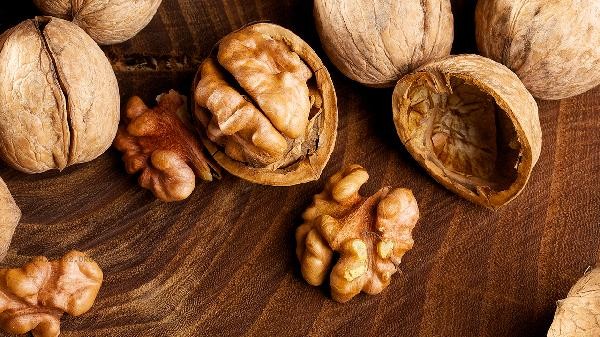
One kilogram of walnuts with shells can usually peel out about 200 to 300 grams of flesh. The kernel yield of walnuts is influenced by factors such as variety, maturity, and shell thickness. The proportion of fruit pulp with shells in walnuts is about 30% to 50%. The thickness and hardness of walnut shells vary among different varieties, with thin shell varieties having a relatively higher kernel yield and a fruit pulp ratio of nearly 50%. This type of walnut shell is relatively brittle, with minimal loss during manual peeling and good integrity of the flesh. The mature walnut kernels are plump and compact, with low adhesion to the inner shell, making them easier to separate when peeling. Fresh walnuts have a high moisture content, and the weight of the kernels after peeling will slightly decrease as the moisture evaporates. The kernel extraction rate of some thick shelled varieties of walnuts may be as low as 30%. The outer shell is hard and the inner membrane is well-developed, and manual peeling can easily cause the kernels to break. The immature walnut kernels are tightly adhered to the inner shell, making it easy to leave some fruit pulp when peeling. Storing walnuts for too long can cause the kernels to shrink due to water loss, resulting in a decrease in the actual edible portion. The mechanical shelling method results in greater pulp loss compared to manual shelling, but has higher processing efficiency. Choosing walnuts with uniform shell color and tight gaps can achieve higher kernel yield. Before peeling, the walnuts can be refrigerated for 2 hours to reduce the stickiness of the kernel oil, and using professional walnut clips can reduce fruit pulp damage. Walnut kernels are rich in unsaturated fatty acids and vitamin E. Moderate consumption is beneficial for cardiovascular and cerebrovascular health, but it is recommended to consume no more than 30 grams per day to avoid excess calories. When storing shelled fruit pulp, it should be sealed and protected from light to prevent oxidation and deterioration of the oil.








Comments (0)
Leave a Comment
No comments yet
Be the first to share your thoughts!