
On a cold winter morning, one can always see a group of figures jogging towards the sunrise in the park. The white air they exhaled condensed in the cold air, but their footsteps were as light as stepping on cotton. The reason why many people insist on jogging is simple - burning fat. But how much heat can be burned after running 5 kilometers? This number may be more intriguing than you think.
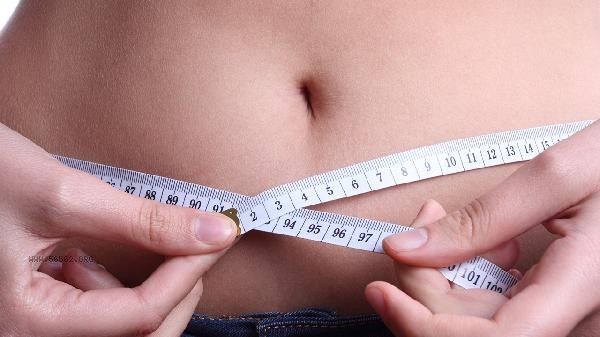
1. Calorie consumption password for jogging 5 kilometers
1. Hidden bonus of basal metabolism
The calories burned during jogging are not simply equal to the distance multiplied by a coefficient. A person weighing 60 kilograms runs 5 kilometers at a speed of 8 kilometers per hour, consuming approximately 300-350 calories, equivalent to the calories of two pieces of fried chicken. However, within 24 hours after exercise, the basal metabolic rate will continue to increase by 5% -15%, and this "hidden burning" is often overlooked.
2. Key variable of individual differences [SEP]: For every 10 kilograms increase in weight, an additional 70-100 calories are consumed at the same distance. People with high muscle content burn 15% -20% more calories than those with high fat content. Novice runners may consume 10% more energy than experienced runners due to uncoordinated movements.
2. The Three Truths of Fat Burning
1. Heart rate determines fat burning efficiency
Heart rate is maintained in the range of 60% -70% of maximum heart rate (simple algorithm: multiply 220 age by 0.6), and the proportion of fat energy supply can reach up to 80%. Beyond this range, the body will instead consume more glycogen.
2. Time is more important than intensity
After aerobic exercise lasting for more than 30 minutes, the proportion of fat energy supply gradually increases from 40% to 60%. A 5-kilometer jog usually takes 30-40 minutes, just crossing this critical milestone.
3. Special advantages of morning running
After fasting all night, running in the morning results in lower glycogen reserves in the body, which forces the body to activate the fat supply mechanism faster. Data shows that under the same intensity, morning running can burn 3% -5% more fat than afternoon running.
3. Make jogging more effective Doubling technique
1. Intermittent gear shifting strategy
Inserting 4-6 acceleration runs for 30 seconds in 5 kilometers (increasing to 80% of maximum heart rate) can prolong the effect of excessive oxygen consumption by 2 hours after exercise. This mode consumes 7% -12% more fat than running at a constant speed.
2. Terrain selection mystery
Sloping routes consume 20% more heat than flat runways. Running in sandy terrain requires overcoming greater resistance and increasing energy consumption by 15% -18%. But beginners are advised to start adapting from a plastic track.
3. The golden window for running before and after
Consuming a small amount of caffeine (not exceeding 200mg) 30 minutes before exercise can increase fatty acid mobilization by 17%. Timely supplementation of protein after running can reduce muscle breakdown and maintain basal metabolic levels.
Next time you tie your running shoelaces tightly, you may want to shift your focus from mileage to athletic quality. Using the right method, a 5-kilometer jog can become your most loyal fat carver in winter. When the exhaled white mist turns into sweat droplets, the invisible heat is quietly changing the composition of your body.








Comments (0)
Leave a Comment
No comments yet
Be the first to share your thoughts!