
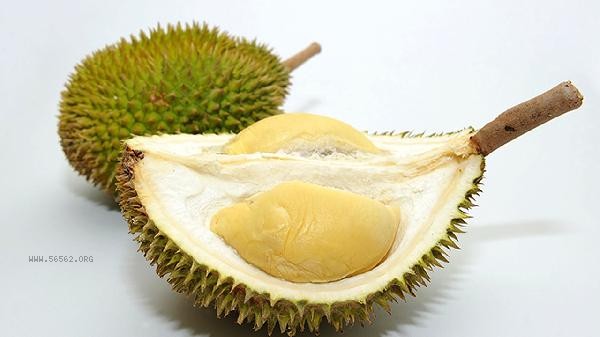
It is recommended to consume 100-200 grams of durian at a time, with about 2-3 pieces of fruit flesh. Overconsumption may lead to gastrointestinal discomfort or excessive calorie intake. Durian is nutritious but high in calories, with about 150 calories per 100 grams of fruit flesh. It is also rich in dietary fiber, potassium, and vitamin C. Healthy adults should consume less than 200 grams at a time to meet their nutritional needs and avoid indigestion. It is recommended to consume with an appropriate amount of water to help absorb dietary fiber. Diabetes patients or weight managers need to further reduce the single intake to avoid blood sugar fluctuations or excess calories. Special populations need to carefully control their intake of durian. Pregnant women should not exceed 100 grams per day to avoid exacerbating the burden of blood sugar during pregnancy. People with weak gastrointestinal function may experience bloating, and it is recommended to consume in small amounts in small portions. People who are allergic to durian should completely avoid it. Stop eating immediately if symptoms such as skin itching and diarrhea occur after consumption. Durian contains high levels of potassium, and kidney disease patients should control their intake under the guidance of a doctor.

It is recommended to avoid eating durian on an empty stomach or with alcohol, and choose fruit with moderate maturity for easier digestion. Durian can be included as a fruit in daily diet, along with whole grains, vegetables and other foods to balance nutritional intake. If persistent gastrointestinal discomfort or allergic reactions occur, seek medical attention promptly. Long term excessive consumption may increase the risk of metabolic syndrome, and the frequency and dosage of consumption should be adjusted according to personal health conditions.









Comments (0)
Leave a Comment
No comments yet
Be the first to share your thoughts!