
500 grams of shelled walnuts can usually yield about 200-300 grams of walnut kernels, and the specific kernel yield depends on factors such as walnut variety, maturity, and shell thickness.
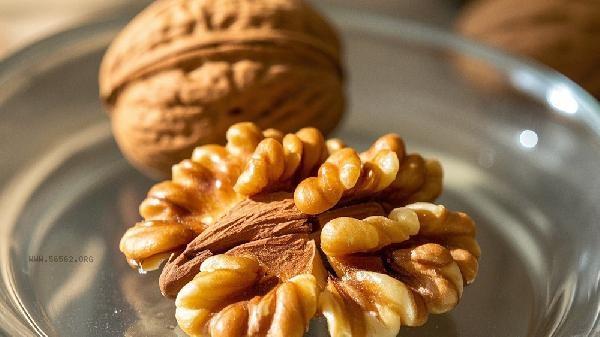
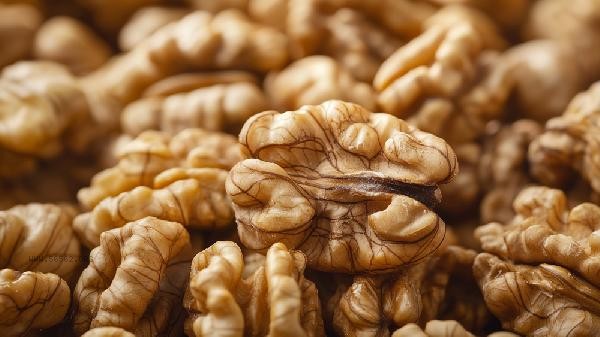
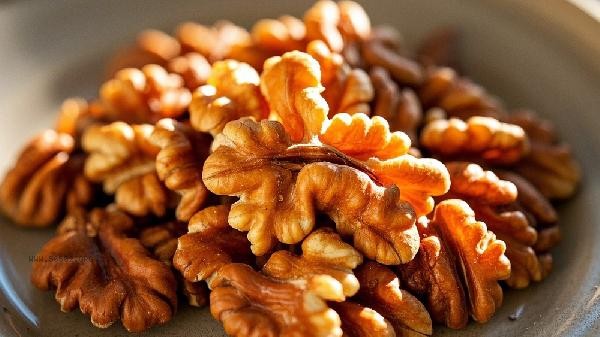
Thin shelled walnuts have a higher kernel yield, and 500 grams of shelled walnuts can peel nearly 300 grams of walnut kernels. This type of walnut shell is thin and fragile, with full and intact kernels, commonly found in varieties such as paper skinned walnuts. When peeling the shell, it is recommended to use a walnut clip to fix the waist of the walnut and gently rotate it along the suture line to keep the kernel intact. Fresh walnuts have a higher moisture content, and the weight of the peeled kernels will be slightly heavier than that of dried walnuts. The kernel extraction rate of thick shelled walnuts is relatively low, and about 200 grams of walnut kernels can be peeled from 500 grams of shelled walnuts. This type of walnut shell is hard and has a well-developed inner membrane, which can easily cause the kernels to break when peeling. Aged walnuts will shrink significantly due to water evaporation, resulting in a decrease in the actual edible portion. The shell of wild walnuts is usually thicker than that of artificially cultivated varieties and requires the use of tools to strike and peel the shell. Walnut kernels are rich in high-quality protein, unsaturated fatty acids, and vitamin E. It is recommended to consume 20-30 grams per day. Walnuts that are not consumed in a timely manner should be sealed and refrigerated to prevent oil oxidation. If they have a rancid taste, they should not be consumed. Walnut shells can be used to make activated carbon or handicrafts, achieving resource reuse.








Comments (0)
Leave a Comment
No comments yet
Be the first to share your thoughts!