
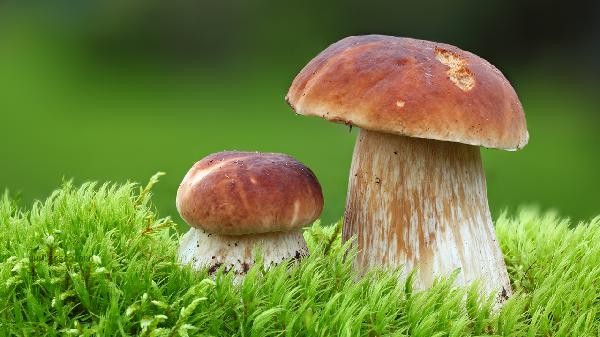
Wild mushrooms generally grow during the summer and autumn seasons, specifically from June to October. The growth time of wild mushrooms is mainly influenced by factors such as temperature, humidity, light, soil conditions, and altitude.
1. Temperature
The growth of wild mushrooms requires suitable temperature conditions, and most species grow better in an environment of 15-25 degrees Celsius. As the temperature rises in summer, the soil temperature gradually reaches the optimal range for mushroom mycelial growth, at which point the mycelium begins to become active and form fruiting bodies. The temperature gradually decreases in autumn, but still remains within a suitable range, so summer and autumn are the golden periods for the growth of wild mushrooms.
2. Humidity
Wild mushrooms require high humidity, usually requiring sufficient soil moisture and high air humidity. In summer and autumn, there is more rainfall, especially after thunderstorms, which increases soil moisture and is beneficial for mushroom hyphae to absorb water and nutrients. 2-3 days after rain is the peak period for picking wild mushrooms, during which the mushrooms grow rapidly and in large quantities.
3. Light
Although wild mushrooms do not require strong light for photosynthesis, appropriate light can stimulate the formation of fruiting bodies. In summer and autumn, the trees have dense branches and leaves, and the scattered light in the forest is abundant, providing a good lighting environment for mushroom growth. Different types of mushrooms have varying light requirements, some prefer dark and humid environments, while others require more scattered light.
4. Soil Conditions
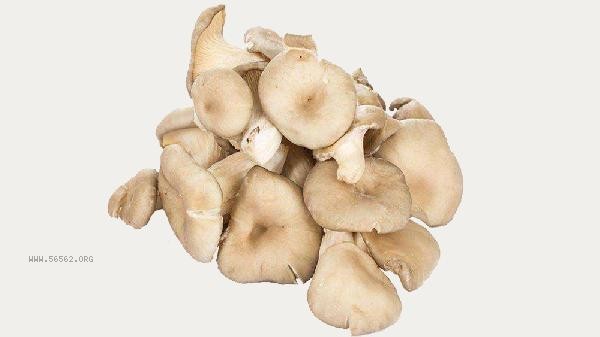
Wild mushrooms mostly grow in soil rich in humus, and the decomposition of fallen leaves and dead branches accelerates in summer and autumn, providing sufficient nutritional sources for mushrooms. Different mushroom species have specific requirements for soil acidity and alkalinity, with some preferring acidic soil and others adapting to neutral or slightly alkaline environments. The microbial community in the soil can also affect the growth and distribution of mushrooms.
5. Altitude
Altitude can affect the growth time and species distribution of wild mushrooms. The temperature is higher in low altitude areas, and mushrooms appear earlier; The temperature is lower in high-altitude areas, and the mushroom growth season is relatively delayed. There may be significant differences in mushroom species at different altitudes in the same region, and some rare species only grow within a specific altitude range.
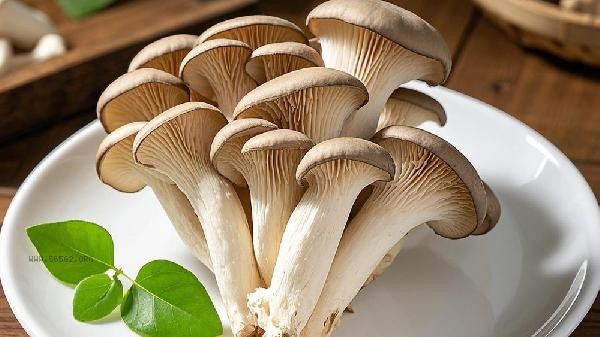
When picking wild mushrooms, it is important to pay attention to safety. Many poisonous mushrooms have a similar appearance to edible varieties and are prone to accidental ingestion and poisoning. It is recommended to pick mushrooms under the guidance of professionals and not to eat unfamiliar mushroom varieties at will. When storing wild mushrooms, they should be kept dry and ventilated to avoid spoilage caused by moisture. Before cooking, it is necessary to thoroughly clean to ensure the removal of soil and impurities. Some varieties require blanching to remove toxic substances. Although wild mushrooms are nutritious, they should not be consumed in excess. Special populations such as pregnant women, children, the elderly, and those with allergies should consume them with caution.








Comments (0)
Leave a Comment
No comments yet
Be the first to share your thoughts!