
Seaweed usually needs to be boiled for 5-10 minutes, depending on the thickness of the seaweed, whether it has been soaked in advance, and personal taste preferences.
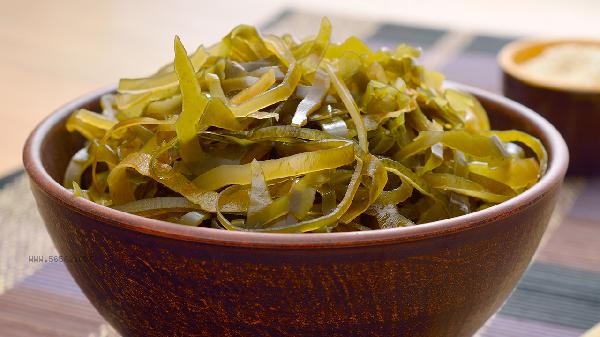
Fresh kelp shreds or dried kelp shreds that have been fully soaked, boil and then turn to low heat to continue boiling for about 5 minutes to achieve a soft and tender taste. This type of kelp silk usually has a thin texture, and after sufficient water absorption, the fiber structure becomes loose. It can release its gum after a short period of cooking. If you prefer a softer texture, it can be extended to 8 minutes, but exceeding 10 minutes may result in nutrient loss and a texture that is too soft and rotten. During the cooking process, the color change of kelp shreds can be observed, and the transition from dark brown to transparent dark green is a sign of maturity.
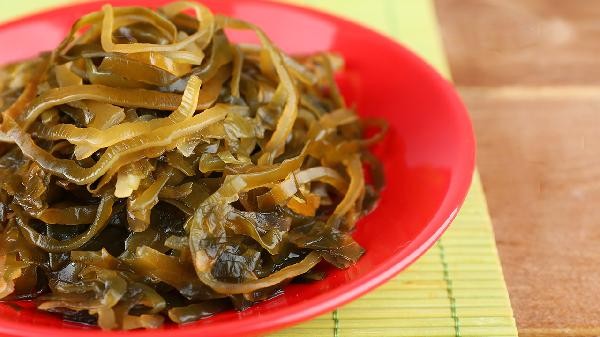
For dry kelp shreds or thicker kelp strips that have not been soaked, it is recommended to boil them in cold water and then reduce the heat to low for 8-10 minutes. This type of kelp silk requires a longer time for water to penetrate due to its low moisture content and dense fibers. If directly boiled in water, the outer layer is easy to cook while the inner layer remains hard. For kelp pieces thicker than 0.5 centimeters, it can be extended to 12 minutes and tested with chopsticks for easy penetration. It should be noted that water-soluble components such as iodine and mannitol in kelp will dissolve with increasing cooking time, and prolonged high-temperature cooking may reduce its nutritional value.

It is recommended to soak dried kelp shreds in cold water for more than 30 minutes before cooking, which can shorten the cooking time and remove surface impurities. When cooking, a small amount of white vinegar or lemon juice can be used to help maintain the emerald green color of the kelp shreds. If used for cold dishes, immediately supercooling after cooking can enhance the crispness. Kelp silk is rich in dietary fiber and minerals, but individuals with thyroid dysfunction need to control their intake to avoid affecting iodine metabolism balance. The recommended daily consumption is no more than 3 times a week, with 50-100 grams per time.








Comments (0)
Leave a Comment
No comments yet
Be the first to share your thoughts!