
Green beans usually need to be cooked for 8-10 minutes to fully ripen. The time for cooking edamame is mainly related to factors such as the freshness of the edamame, the heat level, and whether it has been soaked in advance.
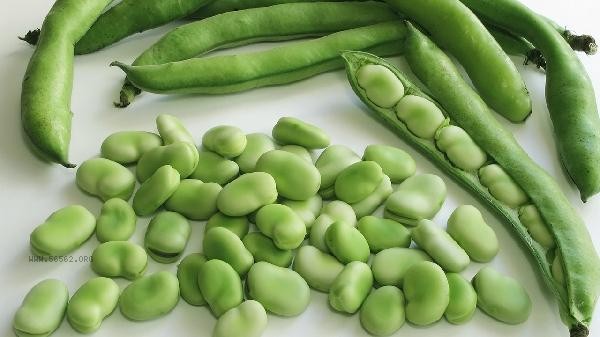
The outer shell of edamame is relatively hard and requires sufficient time for the internal beans to soften. Fresh edamame is usually cooked for 8 minutes, but if the pods are older or not soaked in advance, it can be extended to 10 minutes. After the water boils, add edamame and cook over medium heat. During this time, taste one to confirm its softness and hardness. It is advisable to cook until the beans can be easily squeezed out without any astringency. Overcooking can cause the beans to turn yellow and lose nutrients. Boiling with a shell can better preserve the B vitamins and potassium elements, and adding a little salt to the water can help maintain the emerald green color.
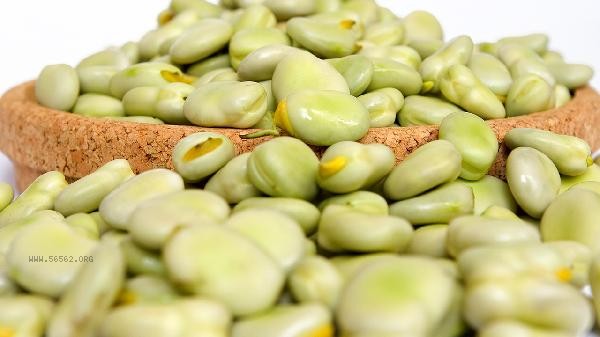
Frozen edamame should be thawed and boiled for 5-7 minutes. If it is directly put into the pot, it should be extended for 2-3 minutes. Some varieties, such as large grain edamame or organic cultivated varieties, may take about 12 minutes due to thicker pods. In special circumstances such as pressure cooker cooking, it can be done 3-5 minutes after being heated, but it is important to pay attention to the amount of water and avoid dry cooking. Some people prefer a harder texture, which can be shortened to 6-7 minutes, but it is necessary to ensure that the plant hemagglutinin in the beans is fully destroyed.
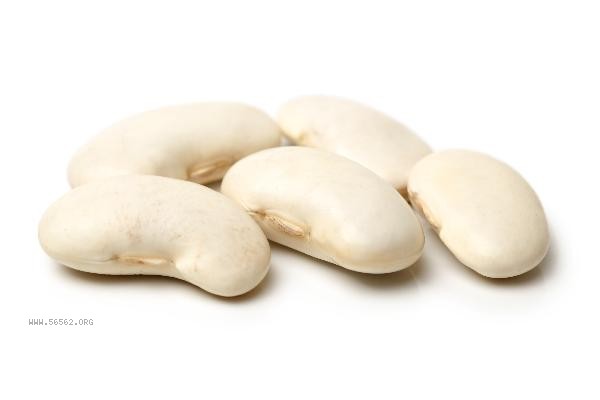
It is recommended to control the amount of water when cooking edamame to completely cover the pods, and add spices such as star anise and Sichuan peppercorns to enhance the flavor. After cooking, immediately supercooling can maintain a bright green color. After draining, sprinkle salt or pair with seasonings such as garlic paste and chili oil for consumption. Edamame is rich in plant protein and dietary fiber, making it a healthy snack. However, gout patients should pay attention to controlling their intake. Mature edamame should be refrigerated and consumed as soon as possible to avoid microbial growth.








Comments (0)
Leave a Comment
No comments yet
Be the first to share your thoughts!