
Cowpeas are prone to freezing to death when the temperature drops below 0 degrees Celsius. Cowpea belongs to warm loving crops and is sensitive to low temperatures. When the environmental temperature continues to be below freezing point, plant cells will be damaged due to freezing, resulting in wilting leaves, blackening stems, and even whole plant death. If encountering brief light frost and taking timely protective measures, some cold resistant varieties may survive. If cowpeas sown in spring encounter the late spring cold, the growth of seedlings will stagnate below 5 degrees Celsius, and frozen spots will appear on the leaves at around 0 degrees Celsius. Although adult plants are slightly more cold resistant than seedlings, sustained low temperatures below 5 degrees Celsius can inhibit flowering and pod formation, and freezing below 0 degrees Celsius can directly damage roots and stems. In northern regions, open field planting should avoid early and late frost periods, or adopt insulation measures such as plastic film and small arch sheds.
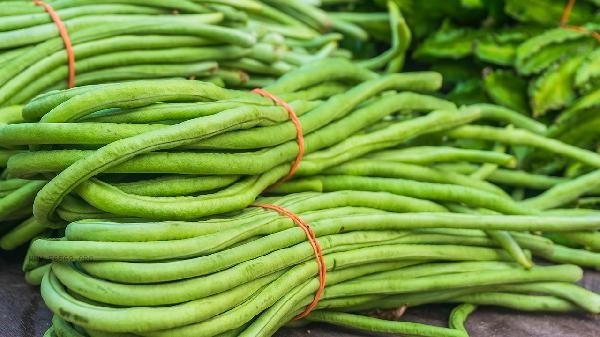
When planting cowpeas in winter in the south, attention should be paid to cold wave weather. Short term temperatures of 3-5 degrees Celsius may cause flower and pod drop, but the plants are not easily frozen to death. If the temperature drops below zero and lasts for more than 6 hours, even if covered with a cold cloth, it may freeze to death. Greenhouse planting requires maintaining a nighttime temperature of at least 10 degrees Celsius to avoid direct cold winds hitting the plants.
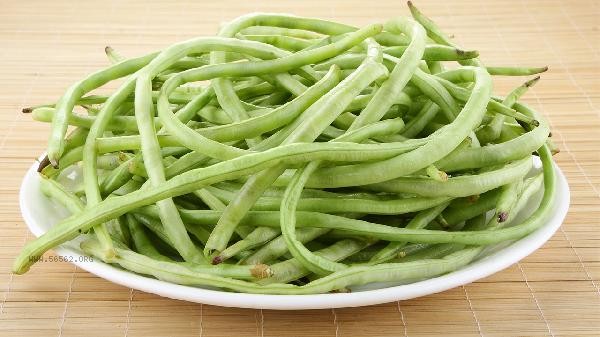
When planting cowpeas, choose varieties with strong cold resistance and check the local frost time in advance. Before the arrival of low temperature, potassium dihydrogen phosphate can be sprayed to enhance cold resistance. After the cold wave, the frostbitten parts should be promptly cut off and quick acting nitrogen fertilizer should be applied. Attention should be paid to preventing and controlling root rot disease during continuous rainy and low-temperature weather, in order to avoid greater losses caused by the combination of freezing damage and diseases. If severe freezing damage has occurred, it is recommended to plant other cold resistant vegetables instead.








Comments (0)
Leave a Comment
No comments yet
Be the first to share your thoughts!