
Flower tea stored for too long may deteriorate, and it is usually recommended to store it in a sealed and dry environment for no more than 12 months. The shelf life of flower tea is affected by factors such as storage conditions, types of raw materials, processing methods, packaging forms, and whether preservatives are added.
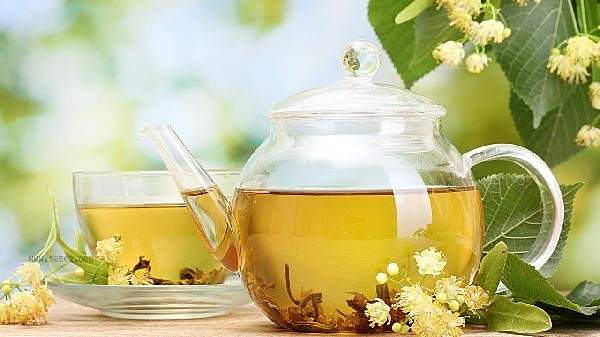
1. Storage conditions
Light and humidity are the main environmental factors that cause the deterioration of flower tea. Direct sunlight can accelerate the decomposition of anthocyanins and other components, and humid environments are prone to the growth of mold. It is recommended to store in a dark sealed container in a cool place, with humidity controlled below 60% to extend the storage time. If petal adhesion or condensation is found on the can wall, drinking should be stopped immediately.
2. Raw material characteristics
Flower and fruit materials with high sugar content, such as roses and hibiscus flowers, are more prone to fermentation and deterioration, and usually have a shelf life 3-4 months shorter than herbaceous materials such as chrysanthemums and honeysuckle. Jasmine and other fermented teas have a relatively long storage time due to their drying process. Mixed flower tea should have its shelf life calculated based on the ingredient with the shortest shelf life.
3. Processing technology
Low temperature freeze-drying technology can maximize the retention of active ingredients in flower tea, and its shelf life is extended by about 50% compared to traditional drying technology. The processing method of adding sulfur dioxide fumigation can inhibit microorganisms, but may result in residual sulfides. Consumers can judge the processing quality by observing whether the flower tea maintains its original color.
4. Packaging Form
The oxygen barrier performance of vacuum packaging allows the shelf life of flower tea to reach 18 months, while ordinary plastic bag packaging can only maintain 6-8 months. The moisture-proof effect of tin foil composite packaging is better than that of single-layer plastic, and independent small packaging is more conducive to preservation than large packaging. After opening the bag, it should be consumed as soon as possible, and the air inside the bag should be purged and resealed after each use.
5. Anti corrosion additives
Some commercial flower teas may contain food grade preservatives such as potassium sorbate, and the outer packaging of these products will clearly indicate a shelf life of 24 months. It is recommended to check the quality of natural flower tea without additives during seasonal changes. If there is obvious fading or odor after high temperatures in summer, it should not be consumed. Special groups should prioritize choosing products without additives. Flower tea stored for more than a year, even if not moldy, will gradually oxidize and lose its active ingredients. It is recommended to limit the purchase quantity to within 3 months of drinking, and store different varieties separately to avoid cross contamination. Before drinking, pay attention to observing whether there are mold spots, odors, or abnormal turbidity in the soup color. After brewing, the petals should gradually stretch instead of quickly sinking to the bottom. When drinking with honey, wait for the tea soup to cool down to below 60 degrees Celsius to avoid damaging active enzymes. Develop the habit of recording the opening date and prioritize consuming inventory that has been stored for a longer period of time.








Comments (0)
Leave a Comment
No comments yet
Be the first to share your thoughts!