
The shelf life of tea is generally between 12 months and 36 months, and the specific time is affected by various factors such as tea type, storage conditions, packaging method, processing technology, and moisture content.
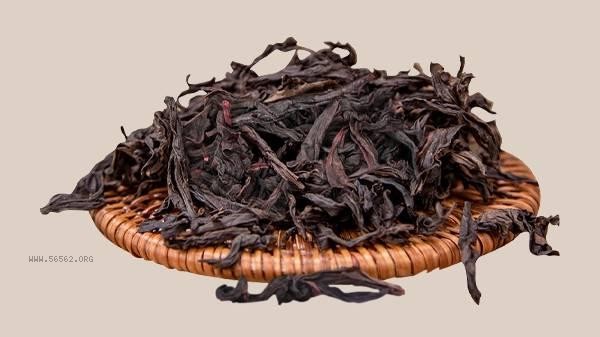
1. Types of Tea
There are significant differences in the shelf life of different types of tea. Green tea is not fermented and has a short shelf life, usually around 12 months. Black tea undergoes full fermentation and has a shelf life of up to 24 months. Black tea and Pu erh tea belong to post fermented teas, which can be stored for many years or even decades under suitable conditions. The shelf life of white tea is between that of green tea and black tea, about 18 months. The semi fermented characteristics of oolong tea result in a shelf life of approximately 24 months.
2. Storage conditions
Temperature and humidity have a significant impact on the shelf life of tea. The optimal storage temperature for tea is 0-5 degrees Celsius, and the relative humidity should be below 60%. Storing at room temperature can accelerate the oxidation of tea leaves, while high temperature and humidity environments can easily lead to mold growth. Protecting from light can delay chlorophyll decomposition, and using sealed containers such as tin cans and porcelain cans can reduce aroma volatilization. Refrigerator refrigeration can extend the shelf life of delicate teas such as green tea.
3. Packaging Method
Vacuum packaging can isolate oxygen and extend the shelf life of tea by more than 30%. Aluminum foil bag packaging has better moisture resistance than ordinary plastic bags. Loose tea leaves have a large contact area with air, and their shelf life is shortened by half compared to sealed packaging. Small bag packaging can avoid repeated opening and maintain the freshness of tea leaves. Iron can packaging has the dual advantages of light avoidance and sealing.
4. Processing technology
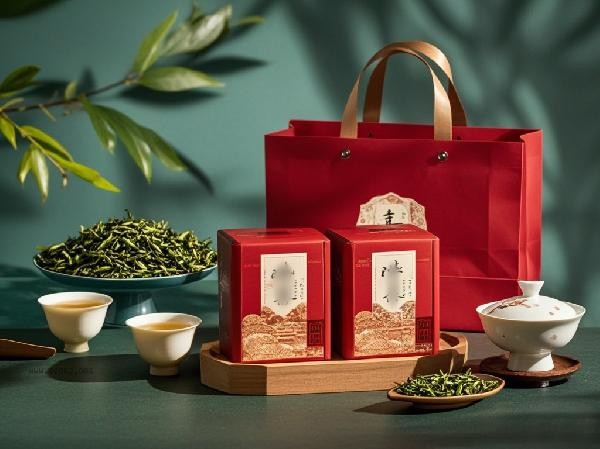
Thoroughly killed tea leaves have low enzyme activity and a relatively long shelf life. Oolong tea with high roasting degree has lower water content and better storage resistance. Compressed tea reduces contact with air through a pressing process and is more durable for storage than loose tea. Organic tea may have a slightly shorter shelf life than regular tea due to the absence of preservatives. Attention should be paid to the volatilization of floral fragrance when adding jasmine and other scented tea.
5. Moisture Content
The national standard stipulates that the moisture content of tea should be less than 7%, as excessive moisture can breed mold. The moisture content of new tea is usually controlled at around 5%, and it will slowly absorb moisture over time. If the tea leaves are crushed into powder by hand, it indicates that the drying meets the standard. If they become soft and regain moisture, they need to be re roasted. During the rainy season, it is necessary to strengthen moisture-proof measures by placing food desiccants in storage containers. Freezing storage can effectively lock in the internal moisture of tea leaves.
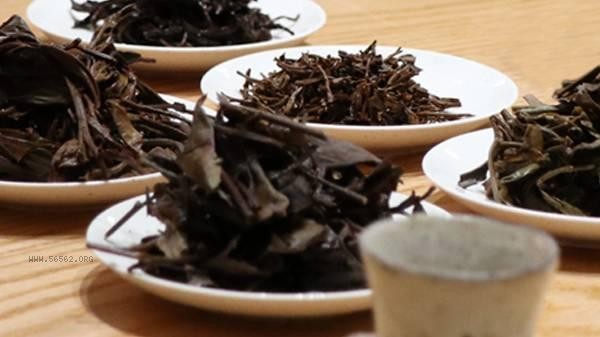
For daily consumption, it is recommended to consume tea leaves with a shelf life of more than half, and try to consume them within 3 months after opening. When storing, keep away from kitchen fumes, cosmetics, and other odor sources. Different types of tea should be stored separately to avoid cross contamination. Regularly check whether the tea leaves are damp, discolored, moldy, etc. If there is any odor or mold, stop drinking immediately. Properly preserved tea not only extends its drinking life, but also preserves its nutritional content and flavor compounds.








Comments (0)
Leave a Comment
No comments yet
Be the first to share your thoughts!