
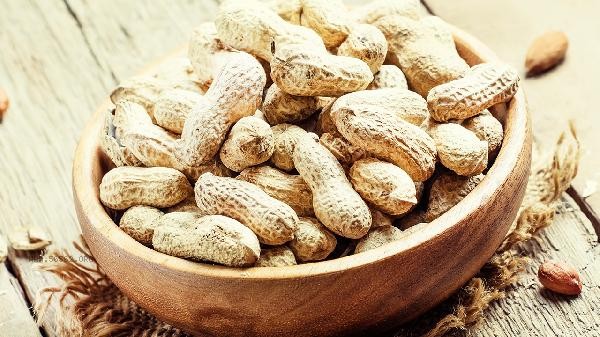
Stir fried peanuts with shells can generally be stored for 3-6 months in a dry environment at room temperature, and the specific time is affected by factors such as storage temperature, humidity, packaging method, processing technology, and whether preservatives are added.

1. Storage Temperature
Temperature is a key factor affecting the shelf life of roasted peanuts with shells. Peanuts are not easily oxidized or spoiled in a cool environment below 25 degrees Celsius; If the temperature exceeds 30 degrees, the rate of oil spoilage accelerates and may be shortened to 1-2 months. It is recommended to refrigerate during high temperatures in summer.
2. Environmental humidity
Relative humidity below 60% can effectively prevent mold growth. In humid areas of the south, it is necessary to install food desiccants in sealed containers to prevent the growth of aspergillus flavus. Peanut kernels become soft and inedible when exposed to moisture.
3. Packaging Method
Vacuum packaging can be extended to 8-12 months, while ordinary plastic bags can be sealed for about 3 months. After opening, it should be consumed as soon as possible, as exposure to air for more than two weeks may result in a halal taste.
4. Processing Technology
Traditional iron pan frying has a more thorough moisture control and a shelf life 1-2 months longer than mechanical baking. Adding seasonings such as salt or Sichuan peppercorns may accelerate moisture regain.
5. Anti corrosion treatment
Some commercially available products may add natural antioxidants such as vitamin E, which can delay oil oxidation. Homemade fried peanuts are recommended to be packaged and frozen, and can be stored for up to 1 year.
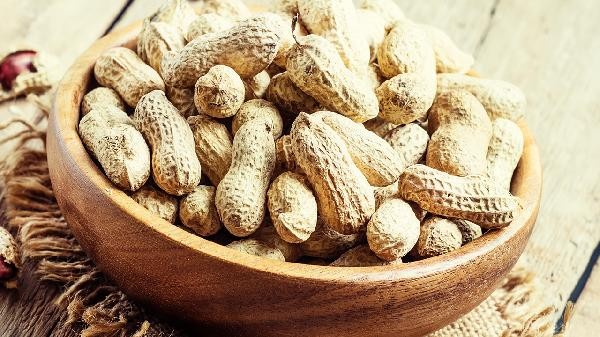
It is recommended to place the roasted peanuts with shells in a sealed container away from light and regularly check for mold or odors. If dark spots, yellowing of the heart, or a bitter taste are found on the peanut coat, it should be immediately stopped from consumption. Eating fruits with high vitamin C content can help reduce the absorption of oil oxidation products. Special populations such as those with abnormal liver function should control their daily intake to no more than 30 grams.








Comments (0)
Leave a Comment
No comments yet
Be the first to share your thoughts!