
The shelf life of baked bread is generally 2-7 days, and the actual storage time is affected by factors such as bread type, storage conditions, additive content, packaging method, environmental temperature and humidity.

1. Bread Types
Soft bread with high sugar and oil content, such as sweet bread and cream bread, is prone to microbial growth due to its high moisture and sugar content. Its shelf life at room temperature is usually 2-3 days. Sugar free and oil-free hard bread such as baguettes and whole wheat bread can extend their shelf life to 3-5 days due to their low moisture content. Industrial production bread with added preservatives or vacuum packaging can have a shelf life of about 7 days.
2. Storage Conditions
Bread starch stored at room temperature is prone to aging. It is recommended to seal it and place it in a cool and dry place to avoid accelerated mold growth in high temperature and humid environments. Refrigeration can accelerate starch retrogradation and cause the taste to harden. It is not recommended to store in refrigeration unless necessary. Freezing can extend the shelf life to one month, but it needs to be wrapped in plastic wrap to prevent frostbite, and re baked before consumption to restore taste.
3. Additive Content
Bread containing preservatives such as calcium propionate can inhibit mold growth and extend shelf life. Bread fermented with natural yeast has a certain antibacterial effect in acidic environments and can be stored for slightly longer than commercial yeast bread. Adding natural preservatives such as alcohol or honey to bread can slow down the rate of mold growth.
4. Packaging Method
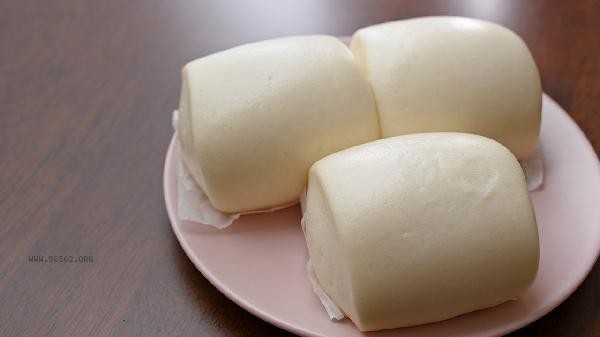
Bread stored in a bare state is prone to moisture loss and may become dry and hard within 24 hours. Sealed bag packaging can block air and microbial contamination, extending the shelf life by 1-2 days. Vacuum packaging can minimize oxidation and microbial growth, resulting in a shelf life of 5-7 days. Separate small packaging can avoid contamination caused by repeated opening.
5. Environmental temperature and humidity
In high temperature and humidity environments in summer, the rate of bread mold growth accelerates. It is recommended to consume it within 24 hours. In dry winter environments, the packaging is prone to dehydration and hardening, which can be extended to 3-4 days. During the rainy season, special attention should be paid to observing whether there are mold spots on the surface of the bread. If any abnormalities are found, they should be discarded immediately.
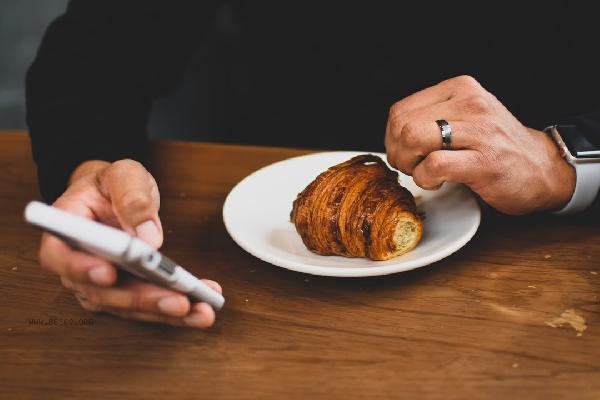
It is recommended to consume freshly baked bread as soon as possible after purchase. If necessary, it can be sliced and packaged for freezing. Check for any odor or mold before consumption to avoid gastrointestinal discomfort caused by consuming spoiled bread. Whole wheat and mixed grain bread are recommended to be consumed first as they contain germ and are prone to spoilage. Homemade bread has no additives and is best consumed within 2 days. It can be paired with desiccants to extend its shelf life. Avoid contact with perishable foods such as raw meat and seafood during storage to prevent cross contamination.








Comments (0)
Leave a Comment
No comments yet
Be the first to share your thoughts!