
Pomegranate trees usually bloom and bear fruit 3-5 years after planting, and the actual time is influenced by various factors such as variety characteristics, cultivation environment, water and fertilizer management, pruning techniques, and climate conditions.
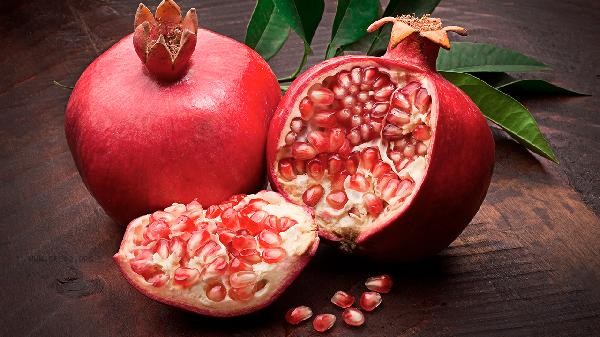
1. Variety Characteristics
Pomegranate trees of different varieties have significant differences in flowering and fruiting time. Early maturing varieties such as red agate pomegranate may take 2-3 years to bear fruit, while traditional varieties such as large green skinned pomegranate usually require more than 4 years. Grafted seedlings have a fruiting period 1-2 years earlier than seedlings, and selecting excellent varieties that adapt to the local climate can effectively shorten the fruiting period.
2. Cultivation Environment
Sandy loam soil with deep soil layers and good drainage is most conducive to the growth of pomegranate trees. The planting site should ensure sufficient sunshine throughout the year, and a daily average of less than 6 hours of light will delay the results. In northern regions, it is recommended to choose areas with strong winds and sunny skies. Winter temperatures below minus 15 degrees Celsius may cause frostbite to flower buds, while in southern regions with high temperatures and humidity, attention should be paid to preventing and controlling pests and diseases.
3. Water and fertilizer management
Keeping the soil moist but not waterlogged during the growth period and controlling water appropriately during the flowering period can improve fruit setting rate. Apply sufficient organic fertilizer as base fertilizer in autumn, apply nitrogen fertilizer before sprouting in spring, and increase phosphorus and potassium fertilizer before flowering. Overnutrition can lead to excessive growth and delayed fruiting, while lack of fertilizer can affect the quality of flower bud differentiation.
4. Pruning technique
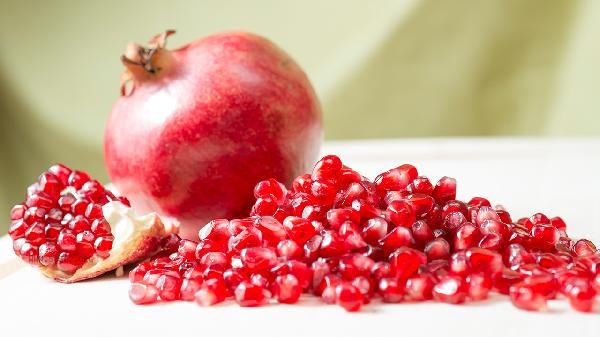
Young trees mainly focus on cultivating the main branch skeleton, retaining 3-5 main branches. The fruiting tree needs to remove excessively dense and crossed branches, and shorten excessively long branches to promote the formation of fruiting branches. Remove the roots and tillers in a timely manner in summer, and prune and preserve the robust fruiting mother branches in winter. Excessive pruning will delay flowering the following year.
5. Climate conditions
Pomegranate trees require sufficient accumulated temperature and temperature difference between day and night to promote flower bud differentiation. Areas with an average annual temperature above 15 degrees Celsius have good growth, but continuous rainy weather during the flowering period can affect pollination. Greenhouse cultivation can be used in cold northern regions to achieve early fruiting through temperature regulation. After the flowering and fruiting of pomegranate trees, it is necessary to strengthen the management of the flowering and fruiting period. Artificial pollination during the flowering period can increase fruit setting rate, and thinning out deformed and overly dense fruits can ensure fruit quality. Maintaining soil moisture stability during fruit development and stopping watering 20 days before harvesting can enhance sweetness. Take measures to prevent cold in winter, spray stone sulfur mixture before sprouting in spring to prevent pests and diseases, and rotate the fruiting branches reasonably to extend the fruiting period. Potted pomegranates can achieve dwarfism and early fruiting through root control pruning, but attention should be paid to changing the soil every year to supplement nutrients.









Comments (0)
Leave a Comment
No comments yet
Be the first to share your thoughts!