
Tomatoes generally take 30-50 days from flowering to maturity, which is influenced by factors such as variety differences, temperature conditions, light intensity, water supply, and cultivation methods.
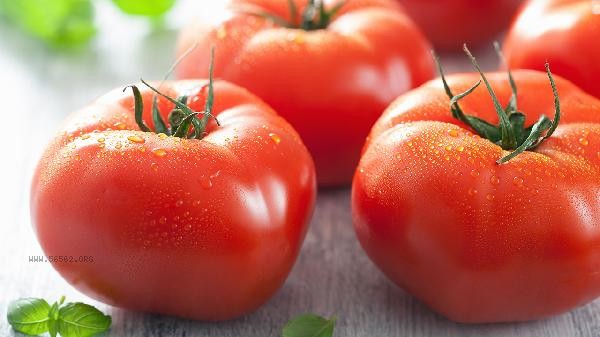
Tomato variety is one of the key factors determining ripening time. Early maturing varieties such as cherry tomatoes usually mature in about 30 days, while mid to late maturing large fruit tomatoes may take more than 45 days. Temperature has a significant impact on the ripening speed of tomatoes, with a suitable growth temperature of 20-28 degrees Celsius. Low temperatures can delay the ripening process, while sustained high temperatures may lead to poor fruit development. Adequate light can promote lycopene synthesis, requiring 6-8 hours of direct sunlight per day. When light is insufficient, the ripening period will be prolonged. Improper water management can directly affect fruit development, and maintaining soil moisture at 60% -70% is most beneficial for fruit enlargement and color change. Excessive drought can cause fruit to shrink, while excessive moisture can easily lead to fruit cracking. Using plastic film covering or greenhouse cultivation can shorten the maturation time, while open field cultivation is greatly affected by weather. Applying potassium fertilizer can help promote fruit color change, but excessive nitrogen fertilizer can lead to excessive growth of branches and leaves, delaying fruiting. During the ripening process of the fruit, there will be a noticeable color change, gradually transitioning from blue-green to pink and then to deep red.
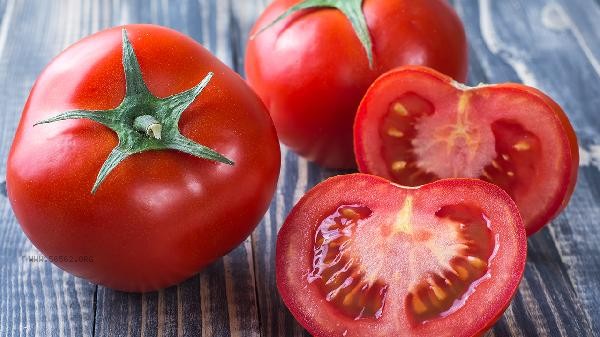
When planting tomatoes, choose varieties that are suitable for the local climate, maintain sufficient light and reasonable water and fertilizer management, and regularly check for changes in fruit color. Reducing watering before harvesting can increase sugar accumulation, and the fully ripe tomato stems appear as yellow rings that can be gently twisted to peel off. Retaining the fruit stem can extend storage time. Immature tomatoes can be placed in a cool and ventilated place to continue ripening, avoiding direct sunlight that can cause the skin to wrinkle. Reasonable control of plant density and timely removal of old leaves can help improve ventilation and light transmission conditions, and promote uniform fruit ripening.








Comments (0)
Leave a Comment
No comments yet
Be the first to share your thoughts!