
Mushrooms generally take 7-14 days to grow, and the specific time is affected by various factors such as the type of strain, environmental temperature, humidity conditions, light intensity, and substrate nutrients.
1. Types of bacterial strains
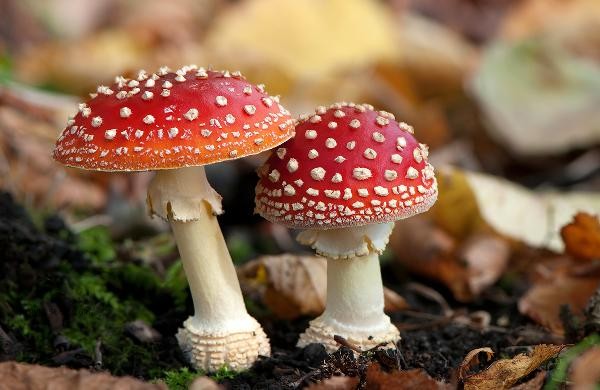
There are significant differences in the growth cycle of different mushroom varieties. Under suitable conditions, slow growing strains such as shiitake mushrooms may take about 7 days to produce mushrooms, while slow growing strains such as shiitake mushrooms may require more than 14 days. Strains with strong mycelial vitality germinate faster, and when selecting, one should choose fungal packages with white and dense mycelium.
2. Environmental temperature
Most edible mushrooms are suitable for growth at a temperature of 18-25 degrees Celsius. Temperatures below 15 degrees Celsius can significantly slow down the growth rate of mycelium, while temperatures above 28 degrees Celsius may lead to mycelial aging. Maintaining a temperature difference of 3-5 degrees Celsius between day and night can help stimulate the formation of primordia.
3. Humidity conditions
The mycelial growth period requires 60-70% air humidity, and the fruiting period needs to be increased to 85-95%. It can be achieved by humidifying with spray or covering with moisturizing film. However, attention should be paid to avoiding water accumulation that may cause bacterial decay, and ventilation should be carried out 2-3 times a day to prevent the accumulation of carbon dioxide.
4. Light intensity
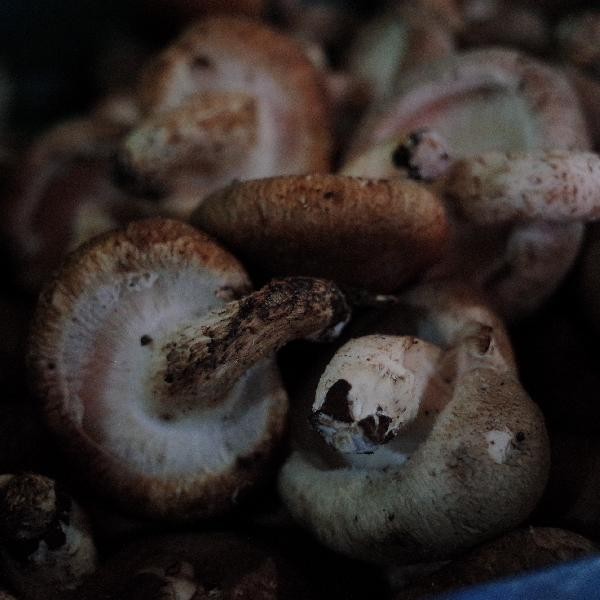
The mycelial growth stage requires light avoidance cultivation, and the fruiting stage requires 200-800 lux scattered light. Insufficient light can lead to excessive growth of mushroom stalks and poor development of mushroom caps, while direct exposure to strong light may cause dehydration of fruiting bodies. A north facing window sill or sunshade is an ideal place for mushroom cultivation.
5. Matrix Nutrients
The matrix mainly composed of cottonseed hulls and sawdust requires the addition of nitrogen sources such as bran. Maintaining a carbon to nitrogen ratio of 25-30:1 is more suitable, with a pH value controlled between 6-7. Insufficient fermentation of the substrate may carry miscellaneous bacteria, and incomplete sterilization can compete with mushroom hyphae for nutrients.
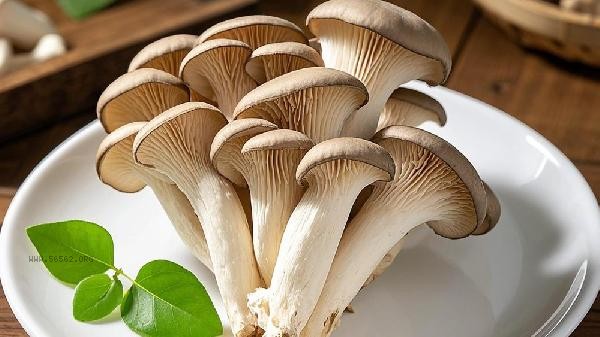
It is recommended to choose an indoor environment with stable temperature and humidity for home mushroom cultivation. Using commercial mushroom packs can avoid the problem of incomplete sterilization. During the mushroom production period, check the status of the mushroom packaging daily and promptly remove diseased mushrooms to prevent infection. Cleaning up residual fungal stems after harvesting and keeping the environment clean can help with secondary mushroom production. Note that different varieties of mushrooms have special requirements for growth conditions. Flammulina velutipes require a high carbon dioxide environment, while shiitake mushrooms require strong ventilation. Management measures should be adjusted according to specific varieties.








Comments (0)
Leave a Comment
No comments yet
Be the first to share your thoughts!