
The lifespan of kiwifruit trees is generally 30-50 years, and the actual lifespan is influenced by various factors such as variety characteristics, cultivation management, climate conditions, pest control, and soil environment.
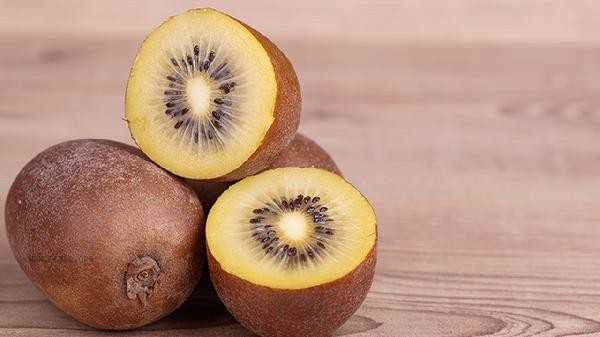
1. Variety Characteristics
There are differences in the lifespan of kiwifruit trees among different varieties, and Chinese kiwifruit usually has a longer lifespan than delicious kiwifruit. Wild varieties may survive for more than 50 years in natural environments, while commercially cultivated grafted seedlings have a lifespan of 30-40 years depending on the choice of rootstock. Some improved cold resistant varieties can maintain longer economic fruiting years under suitable conditions.
2. Cultivation Management
Scientific pruning and shaping can prolong the fruiting period of fruit trees, and regularly thinning old, weak, and diseased branches every year can reduce nutrient consumption. Reasonably control the amount of fruit hanging to avoid premature aging of the tree, and it is recommended that the yield per mu during the peak fruiting period not exceed 2000 kilograms. Water and fertilizer management directly affects root vitality, and balanced supplementation of organic fertilizers and trace elements helps maintain tree vigor.
3. Climate conditions
Frost and continuous drought can shorten the lifespan of kiwifruit trees, and temperatures below minus 15 degrees Celsius in winter may cause frostbite to the branches. The area with an annual rainfall of 800-1500 millimeters is most suitable for growth, and high temperatures exceeding 35 degrees Celsius in summer will accelerate leaf aging. Cultivating on sloping land that is sheltered from wind and sunny is more beneficial for extending economic lifespan than on low-lying land.
4. Disease and pest control
Root rot and ulcer disease are the main diseases that cause premature aging of kiwifruit trees, and regular spraying of biological agents is necessary for prevention. Beetle larvae that feed on tree trunks can damage the transport tissues. If insect holes are found, specialized insecticides should be promptly injected. Disinfection of the entire orchard after harvesting can reduce the overwintering pathogen base and prolong the service life of the fruiting mother branches.
5. Soil Environment
A soil depth of less than 60 centimeters can limit root development, and soil improvement should be carried out before planting. Slightly acidic sandy loam soil with a pH value of 5.5-6.5 is the most ideal, while heavy clay requires the addition of humus to improve its permeability. To avoid continuous cropping obstacles, new gardens should be built on plots that have not been planted with kiwifruit before. To extend the economic lifespan of kiwifruit trees, it is recommended to use greenhouse cultivation to improve ventilation and light transmission, and supplement calcium fertilizer during fruit development to enhance stress resistance. In winter, apply white coating to the main trunk to prevent freezing, and in summer, cover it with plastic film to maintain moisture. Establish a disease and pest monitoring and early warning system, and carry out updates and pruning of old trees over 20 years old. Choosing disease resistant rootstock grafting can significantly improve the sustainable production capacity of orchards, and reasonable rotation of green manure crops can maintain soil fertility stability.








Comments (0)
Leave a Comment
No comments yet
Be the first to share your thoughts!