
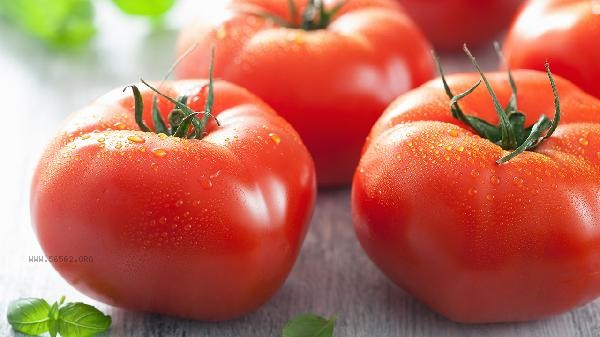
Tomatoes generally take 40-60 days from flowering to maturity, which is influenced by various factors such as variety differences, growth environment, temperature conditions, light intensity, and cultivation management. Tomatoes of early maturing varieties usually mature in 40-50 days, with smaller fruits but shorter growth cycles. Mid to late maturing varieties take 50-60 days to fully ripen, resulting in larger fruits and richer flavors. Tomatoes grown in greenhouses take 5-10 days less to mature compared to those grown outdoors due to their stable temperature. Tomatoes mature faster during the high temperature season in summer, and the ripening period is extended when the temperature is lower in spring and autumn. Adequate light can promote tomato coloring and sugar accumulation, while rainy weather can delay ripening. Some special varieties such as cherry tomatoes may have their ripening period shortened to around 30 days, while some large steak tomatoes may take more than 70 days to fully ripen. Tomatoes may experience ripening difficulties in extreme high or low temperature environments. The invasion of pests and diseases can also lead to delayed fruit development, affecting the normal ripening process. The use of artificial intervention methods such as ripening agents can achieve early harvest, but may affect fruit quality. When planting tomatoes, it is important to choose varieties that are suitable for the local climate, keep the soil moist but not too wet, and regularly apply phosphorus and potassium fertilizers to promote fruit development. Tomatoes in their mature stage need to be watered appropriately to avoid fruit cracking. Reducing the use of nitrogen fertilizer before harvesting can help increase sugar content. To determine whether a tomato is ripe, one can observe the uniformity of its color and the degree of slight softening. Fully ripe tomatoes will emit a unique fragrance. It is recommended to arrange the harvesting time reasonably based on actual planting conditions and market demand. Picking too early may affect the flavor, while picking too late may result in fruit loss.








Comments (0)
Leave a Comment
No comments yet
Be the first to share your thoughts!