
Soaking chives for 10-15 minutes can effectively reduce pesticide residues, and washing them with running water has a better effect. The amount of pesticide residue is affected by factors such as soaking time, cleaning method, and pesticide type.
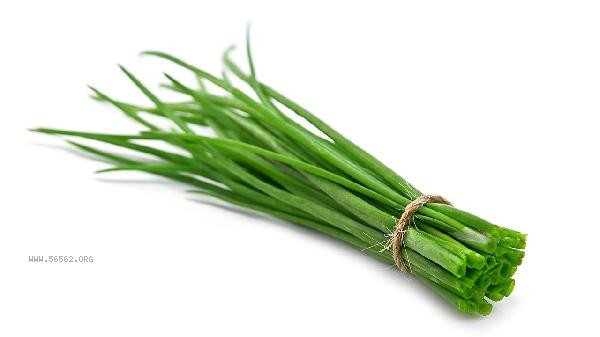
Water flushing is the basic step for removing pesticides from the surface of chives, and water flow can carry away some water-soluble pesticides. Place the roots of the chives facing upwards in a basin and repeatedly rinse the gaps between the leaves with running water to remove dust and pesticides attached to the folds. The wax layer of leafy vegetables is prone to adsorb lipid soluble pesticides, and soaking alone has limited effectiveness. Some organophosphorus pesticides require an extended soaking time of 20 minutes, but prolonged soaking may lead to nutrient loss. Baking soda or fruit and vegetable cleaning agents can decompose specific pesticides, but attention should be paid to the risk of secondary residues. Sunlight exposure can accelerate the photolysis of some pesticides, but it may affect the freshness of chives. It is recommended to purchase and view pesticide testing reports through legitimate channels, and prioritize choosing organic certified or low pesticide residue vegetables.
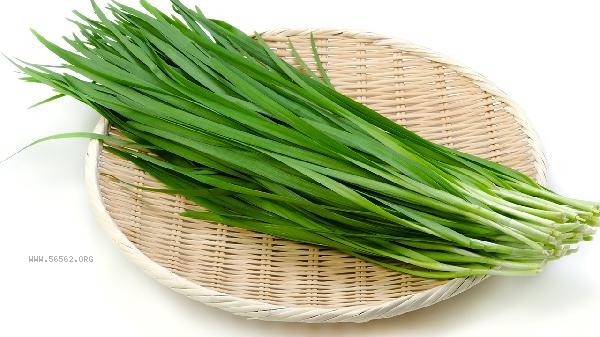
It is recommended to remove the roots and old leaves before soaking chives to avoid cross contamination. High vitamin C foods can be paired with daily diet to help degrade nitrite, and blanching before cooking can further reduce pesticide residues. Maintaining dietary diversity can mitigate food safety risks. Long term intake of low-dose pesticide residues has minimal impact on healthy populations, but pregnant women and children need to pay special attention to ingredient handling.








Comments (0)
Leave a Comment
No comments yet
Be the first to share your thoughts!