
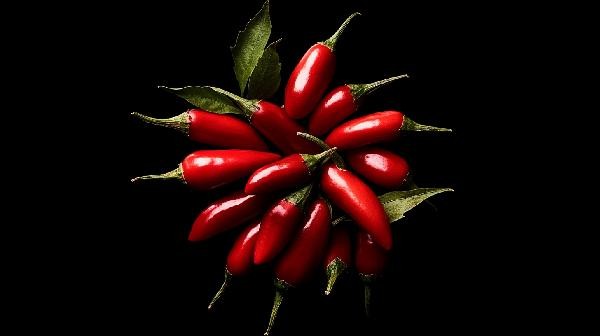
Millet chili can generally be stored for 3-6 months when frozen, and the actual storage time is affected by factors such as freezing temperature, packaging method, freshness of chili peppers, pre-treatment methods, and refrigerator stability.
1. Freezing Temperature
The temperature in the freezer compartment of a household refrigerator is usually maintained at around minus 18 degrees Celsius, which can effectively inhibit microbial growth and enzyme activity. If the freezing temperature is unstable or above minus 12 degrees, chili peppers are prone to repeated melting and freezing of ice crystals, leading to damage to cell structure and a significant reduction in storage time. It is recommended to regularly check whether the refrigerator temperature meets the standard.
2. Packaging Method
Vacuum sealed packaging can isolate oxygen and moisture, and has better preservation effect than ordinary plastic bags. Unscented chili peppers are prone to frostbite and dehydration, with white frost appearing on the surface. Using small portions for packaging and storage can avoid repeated thawing. After each use, it should be immediately sealed and placed back in the freezer.
3. Chili Freshness
The freshness of chili peppers before freezing directly affects the preservation effect. Choose fresh chili peppers with smooth and undamaged skin that can maintain their original flavor well after freezing. Chili peppers that have been stored for many days or have begun to wilt may have a significantly worse taste after freezing, and may have a bitter taste.

4. Pre treatment method
Thoroughly drying the surface moisture after cleaning can reduce ice crystal formation, and whole stem freezing can better maintain texture than chopped freezing. Some people will blanch the water first and then freeze it. Although this method can maintain the color, it can lead to the loss of some nutrients. Freezing directly without removing the stem can help reduce water evaporation.
5. Refrigerator Stability
Frequent opening and closing of the refrigerator door can cause temperature fluctuations and accelerate the deterioration of chili quality. An independent freezer has a more stable temperature than a refrigerator freezer and is suitable for long-term storage. During power outages or defrosting periods, temperature rise can significantly shorten the shelf life, and it is recommended to consume it as soon as possible. Although frozen millet chili can extend its shelf life, its spiciness and aroma will gradually weaken over time. It is recommended to label the freezing date on the packaging, and the best flavor is to consume within 3 months. After thawing, the texture of the spicy millet will become softer, making it more suitable for stir frying, boiling soup, or making chili sauce. It is not recommended to eat it raw directly. During storage, pay attention to observing for signs of deterioration such as discoloration and odor. If any abnormalities are found, they should be discarded immediately. Moderate consumption of chili peppers in daily diet can help promote appetite, but those with weak gastrointestinal function should pay attention to controlling their intake.








Comments (0)
Leave a Comment
No comments yet
Be the first to share your thoughts!