
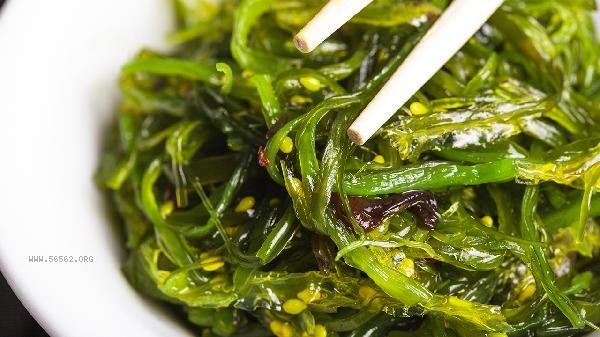
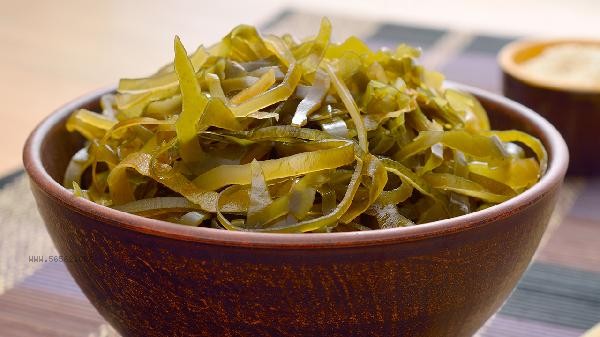
Seaweed can generally be stored for 3-6 months during freezing, depending on factors such as sealing method, initial freshness, and freezing temperature. When seaweed is frozen and stored, proper handling can extend its shelf life. Fresh seaweed needs to be thoroughly cleaned to remove salt and impurities, blanched and drained, and packaged in sealed bags or preservation boxes to remove air. The freezing temperature is stable below minus 18 degrees Celsius, which can inhibit microbial reproduction and enzyme activity, and prevent kelp from turning yellow and tasteless. It is recommended to package according to a single dose during packaging to avoid repeated thawing and affecting the taste. After thawing, it is recommended to consume as soon as possible and not to refreeze. If kelp is not adequately processed or packaged tightly before freezing, it may cause ice crystals to puncture cells, leading to nutrient loss or spoilage. Due to the high content of gelatinous substances in some seaweed, the taste will become tough after long-term freezing. It is recommended to shorten the storage period to 2-3 months. If there are frost lumps, dark colors, or unpleasant odors on the surface of kelp, it indicates that it is no longer suitable for consumption. Salted kelp, due to its high salt content, can have a slightly longer freezing storage period than fresh kelp, but it should also be sealed and moisture-proof.

It is recommended to slowly thaw seaweed in the refrigerator before using it for stewing or cold mixing to preserve its nutrients. Regularly check the temperature of the refrigerator during daily storage and avoid mixing with other strongly scented foods. Kelp is rich in iodine and dietary fiber. Moderate consumption is beneficial for thyroid health, but individuals with thyroid dysfunction should follow medical advice to control their intake.








Comments (0)
Leave a Comment
No comments yet
Be the first to share your thoughts!