
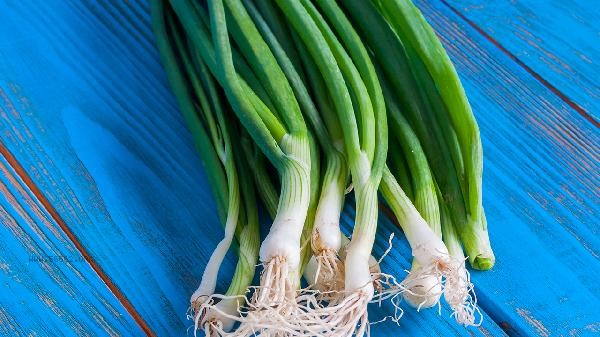
Scallions can usually be stored for 3-5 days at room temperature and for 1-2 weeks under refrigeration conditions. The storage time is mainly affected by storage methods, environmental humidity, onion integrity, temperature fluctuations, pre-treatment methods, and other factors.
1. Storage method
Untreated scallions should be placed directly in a cool and ventilated place, as the stems and leaves are prone to dehydration and wilting. It is recommended to store scallions separately, with the scallions wrapped in moist kitchen paper and placed in a fresh-keeping bag for refrigeration. The scallions can be cut into sections and frozen for storage. Hydroponic cultivation can prolong freshness. Soaking the roots of scallions in water for 1-2 centimeters and changing the water daily can maintain freshness for 5-7 days.
2. Environmental humidity
Excessive humidity can lead to mold growth in scallions, while low humidity can accelerate dehydration. When refrigerating, it is recommended to maintain a humidity of 65% -75%, which can be wrapped in perforated plastic bags or slightly damp towels. A small amount of water mist can be sprayed in dry winter environments in the north, while regular inspections for mold spots are necessary in humid areas in the south.
3. Scallion body integrity
Scallions with roots and intact outer skin have a longer shelf life. Damaged onion bodies are prone to bacterial growth, and the incision site will quickly oxidize and turn yellow. When purchasing, choose onions with full roots and no mechanical damage. Cut off the roots before use to avoid early processing.
4. Temperature fluctuations
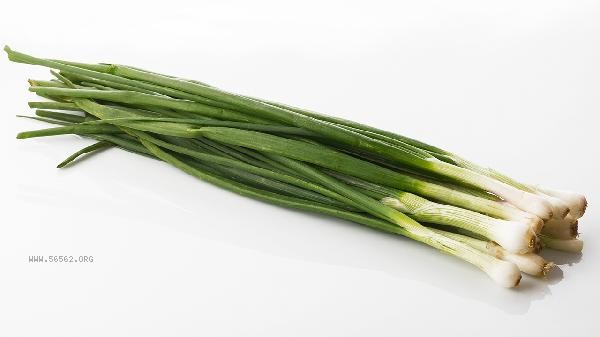
Scallions are sensitive to temperature, and frequent removal from the refrigerator can lead to the accumulation of condensed water. The refrigeration temperature should be stable at 0-4 ℃, and for frozen storage, it is necessary to divide and package the product into sections to avoid repeated thawing. During high temperatures in summer, uncooked scallions will soften within 12 hours.
5. Pre treatment method
Clean and dry scallions are more prone to decay than those stored in mud. Short term storage can preserve the surface dry skin, while long-term freezing is recommended after cutting into sections and blanching for 10 seconds before quick freezing. Wrapping scallions in tin foil can delay oxidation, and vacuum sealing can extend the refrigeration period to 3 weeks.
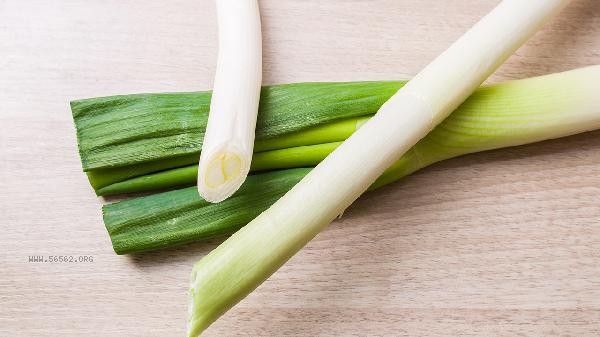
It is recommended to process scallions in batches according to cooking needs. For cold dishes, green onions should be taken and used immediately. For stewing, white onions can be stored frozen. Regularly check for softening or mold during storage, and discard immediately if there is any mucus or odor. Separating scallions from vegetables and fruits with high ethylene release, such as potatoes and apples, can slow down the rate of spoilage. Frozen scallions are suitable for making stir fry seasonings, but their texture softens after thawing and are not recommended for raw consumption.








Comments (0)
Leave a Comment
No comments yet
Be the first to share your thoughts!