
Rapeseed can generally be stored in the refrigerator for 3-5 days, and the actual storage time is affected by various factors such as storage method, freshness, refrigerator temperature, pre-treatment, and sealing degree.
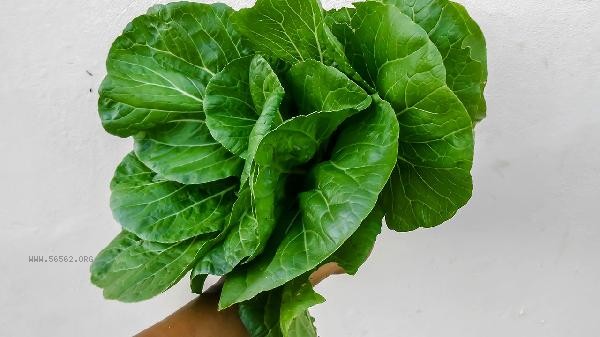
1. Storage method
Rapeseed with roots can be stored vertically in the refrigerator's vegetable and fruit box for a longer time than when stacked flat. Vertical storage can reduce leaf compression damage and delay water loss. If space is limited, wrap the base with kitchen paper and place it flat to avoid direct contact with the inner wall of the refrigerator.
2. Freshness
Freshness: Freshly picked rapeseed is more resistant to storage than those stored for multiple days. When selecting, choose rapeseed with crisp leaves, tender stems, and no yellow spots. Rapeseed that has already wilted or yellowed leaves will accelerate decay within 1-2 days even if refrigerated.
3. Refrigerator temperature
Maintaining the refrigerator compartment at around 4 ℃ is most suitable for storing leafy vegetables. Excessive temperature can accelerate decay, while temperatures below 0 ℃ may lead to frostbite. It is necessary to avoid placing rapeseed near the refrigerator door or air outlet, as temperature fluctuations can shorten the shelf life.
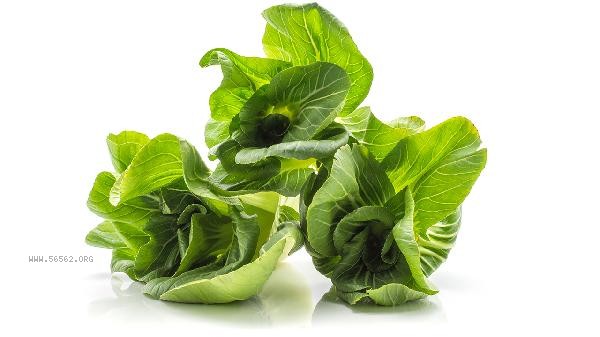
4. Is pre-treatment necessary?
Rapeseed that has not been washed can be stored longer than that after washing. Moisture residue can promote microbial growth, and if cleaning is necessary, it must be thoroughly dried. Yellow leaves can be removed in advance but the intact roots can be retained. Wrap the incision with plastic wrap to block air.
5. Sealing degree
Sealed storage in a fresh-keeping bag can extend the shelf life by 1-2 days compared to exposed storage. Place absorbent kitchen paper inside the bag and tie the bag tightly after removing excess air. The vacuum sealing effect is the best, but attention should be paid to avoiding mechanical damage caused by squeezing the vegetable leaves.
It is recommended to process rapeseed in batches according to the consumption plan. For short-term consumption, it can be refrigerated, and for long-term storage, it can be blanched and frozen. During the refrigeration period, regular inspections should be carried out. If any sticky, watery, or odorous leaves are found, they should be immediately discarded. Before cooking, rinse the gaps between the leaves with running water. For cold dishes, it is recommended to quickly blanch them in boiling water. Pairing with mushrooms, tofu, and other ingredients can enhance nutritional value and avoid storing fruits and vegetables with high ethylene release, such as cucumbers, in the refrigerator.








Comments (0)
Leave a Comment
No comments yet
Be the first to share your thoughts!