
Beans can generally be stored in cold storage for 7-10 days, depending on factors such as temperature control, humidity regulation, pre cooling treatment, packaging methods, and variety differences.
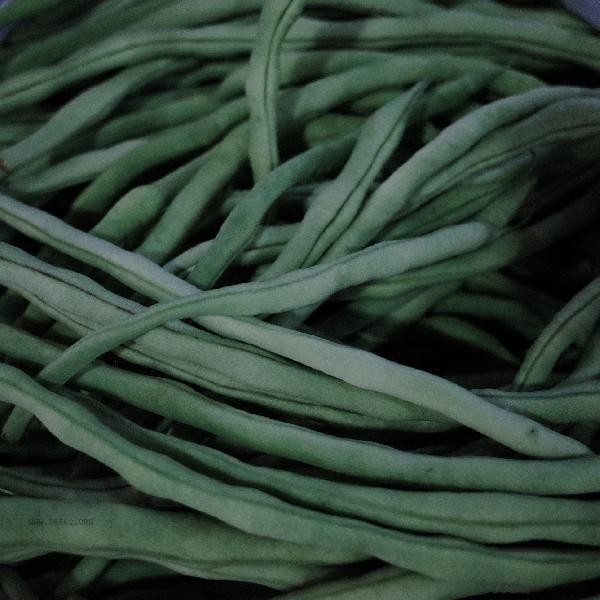
Beans can effectively delay respiration and water loss in a low temperature environment of 0-4 ℃, combined with high humidity conditions of 90% -95%, and the storage time is close to the upper limit. Pre cooling treatment is required before storage to quickly reduce the heat in the soybean field and avoid rotting caused by condensation water. Using perforated plastic bags or breathable film packaging can balance gas exchange and moisturizing needs. Among different varieties, tender beans with less fiber have stronger storage resistance than old beans, while beans with surface damage or insect infestation will shorten the overall storage period. If the temperature fluctuation in the cold storage exceeds ± 1 ℃ or the humidity is insufficient, the beans are prone to frostbite, wilting, or mold growth, and the storage time may be shortened to 3-5 days. Failure to remove the sharp corners at both ends of the pods will increase the probability of mutual injury and accelerate spoilage. When ethylene sensitive beans are stored together with other fruits and vegetables, they will soften faster due to the ripening effect of ethylene. The beans harvested in summer may not dissipate heat thoroughly before storage due to high environmental temperatures, which can also affect their storage efficiency.
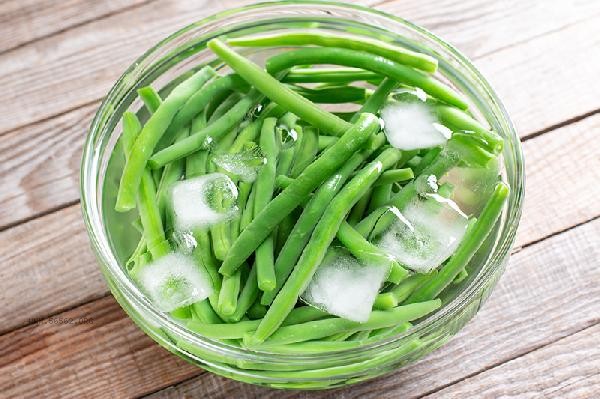
It is recommended to choose intact and spot free beans for storage, regularly check the temperature and humidity stability of the cold storage, and avoid mixing them with fruits such as apples and bananas that release large amounts of ethylene. During storage, the status of the beans can be randomly checked every 3 days. If rust spots or softening occur, they need to be sorted in a timely manner. Short term storage can maintain fresh taste, and long-term storage is recommended to blanch and freeze, which can extend the shelf life to more than 6 months, but some nutrients may be lost.








Comments (0)
Leave a Comment
No comments yet
Be the first to share your thoughts!