
Pineapples that have not been peeled can usually be stored for 2-3 days at room temperature, and can be refrigerated for 5-7 days. The storage time is affected by factors such as maturity, storage environment, skin integrity, temperature fluctuations, humidity, etc.
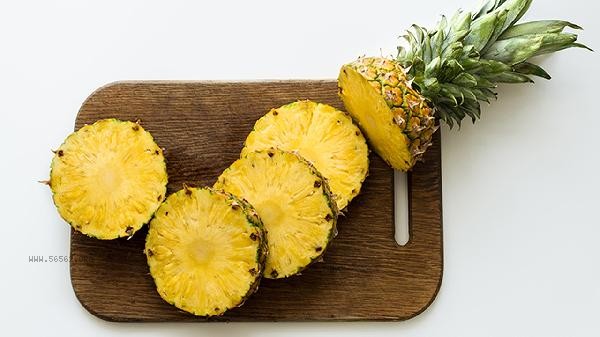
1. Maturity Effect
Pineapples with high maturity have a golden yellow skin and emit a rich fruity aroma. These pineapples have high sugar content, are easier for microorganisms to reproduce, and have a relatively short storage time. Immature green pineapple has strong natural anti-corrosion ability due to its high acidity, and can be stored for an additional 1-2 days at room temperature. When purchasing, you can lightly press the flesh to judge. Hard and inelastic pineapples are usually immature.
2. Differences in Storage Environment
A ventilated, cool, and dry environment can slow down mold growth, while a humid environment can accelerate surface mold growth. Avoid placing pineapples with fruits such as bananas and apples that release a large amount of ethylene, as ethylene can accelerate the ripening process of pineapples. Due to large temperature fluctuations near the kitchen stove, the shelf life is shortened by about one-third compared to storage racks far away from heat sources.
3. Skin integrity
Pineapples with scratches or cracks are easily invaded by mold, and their storage time is reduced by more than half compared to intact pineapples. When making a purchase, check if the base of the crown bud has turned black, and if the leaves have withered, it may indicate that internal decay has begun. The dark spots formed by bumps during transportation will gradually expand, and this type of pineapple should be consumed first.
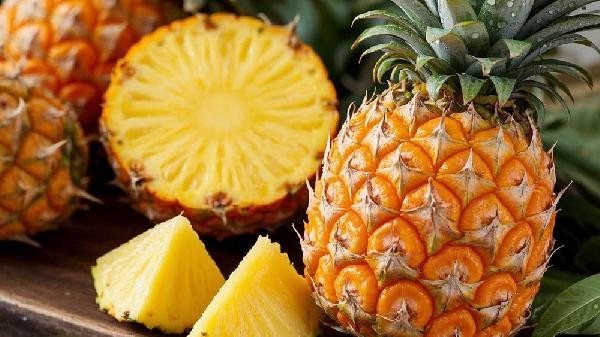
4. Key temperature control
An environment above 25 ℃ will accelerate the fermentation of the fruit pulp, and once it produces a wine flavor, it is not edible. Under the condition of 4 ℃ in the refrigerator compartment, enzyme activity can be effectively inhibited, but low temperature may cause cold damage, manifested as translucent flesh. If the core of the pineapple turns brown after refrigeration, it indicates that low-temperature damage has occurred and should be consumed as soon as possible.
5. Key points for humidity regulation
Wrapping kitchen paper can absorb condensed water and prevent surface mold. Directly placing plastic bags can lead to the accumulation of water vapor. It is recommended to use plastic wrap with breathable holes. In tropical regions, you can try wiping the skin with salt water to suppress bacteria using high osmotic pressure, but this method may slightly affect the taste.
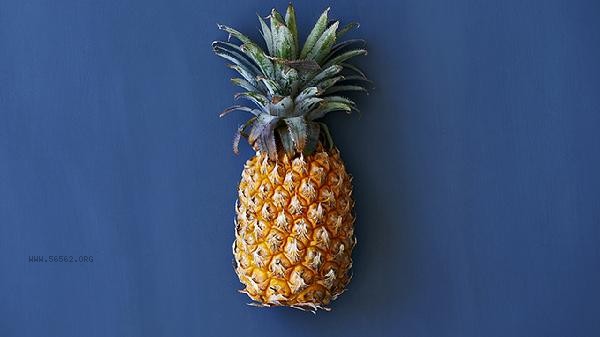
It is recommended to store intact pineapples in a cool and ventilated place, avoiding direct sunlight. If extended storage is required, it can be wrapped in newspaper and refrigerated, but refrigeration for more than 3 days may affect sweetness. Cut pineapples should be refrigerated in a sealed box and consumed within 2 days. Freezing storage can cause cell rupture and a decrease in taste. Before consumption, pay attention to checking whether the fruit pulp has become soft and tasteless. If there is a fermentation odor or mucus, it should be discarded immediately. Regularly check the crown and shoot status during daily storage, and the upright leaves indicate good freshness.








Comments (0)
Leave a Comment
No comments yet
Be the first to share your thoughts!