
The effect of traditional Chinese medicine thread embedding for weight loss varies from person to person and usually has a certain auxiliary effect on some populations, but it needs to be combined with dietary control and exercise to achieve the desired effect. The buried thread weight loss mainly regulates metabolic function by stimulating acupoints, and the main influencing factors include acupoint selection, individual physical differences, and operational norms.

1. Acupoint selection
For weight loss with buried sutures, acupoints such as Zusanli, Zhongwan, and Tianshu are often selected, and the gastrointestinal motility function is regulated by continuous stimulation of acupoints with catgut. The compatibility of acupoints should be adjusted according to individual tongue and pulse differentiation. For those with weak spleen and stomach, choose the spleen strengthening acupoints, while for those with phlegm dampness constitution, focus on the phlegm resolving acupoints. Choosing the wrong acupoint may lead to overeating or indigestion.
2. Differences in physical constitution
Obese individuals with phlegm dampness type may experience significant weight loss after thread embedding, while obese individuals with yang deficiency type may have slower effects. The effect of thread embedding on simple obesity is better than that on secondary obesity, and patients with endocrine diseases such as polycystic ovary syndrome need to be treated with medication. Some people may experience rapid absorption of the thread, leading to a shortened duration of action.
3. Operating Standards
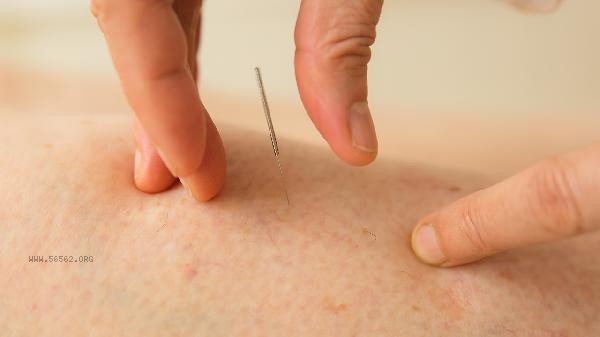
When operating in formal medical institutions, sterile buried needles should be used to achieve a depth of up to the muscle layer for continuous stimulation. Irregular operations may lead to thread rejection, local infection, or acupoint deviation. Differences in the quality of sheep intestine thread can affect absorption speed, and inferior thread may cause allergic reactions or nodule formation.
4. Metabolic regulation
Catgut embedding affects the hypothalamic feeding center through vagus nerve reflex, reducing the secretion of ghrelin. Clinical observations have shown that some patients experience premature satiety and increased basal metabolic rate after thread embedding. But it is difficult to break through the metabolic plateau when used alone, and it needs to be combined with aerobic exercise to enhance the effect.
5. Maintenance cycle
A single thread embedding can last for 2-4 weeks, and it is recommended to strengthen it every 3 weeks, with a complete treatment course of 3 months. If there is no dietary management after stopping treatment, it is easy to rebound. It is recommended to use ear acupressure to maintain the effect during the transition period. Combined with traditional Chinese medicine regulation, it can prolong the metabolic improvement time, such as adding or subtracting Fangfeng Tongsheng San. During the thread embedding weight loss period, one should maintain a light diet, drink no less than 1500 milliliters of water per day, and avoid high sugar and high-fat foods. Engage in 3-5 aerobic exercises such as brisk walking and swimming per week, each lasting for at least 30 minutes. If there is local redness, swelling, heat and pain, seek medical attention in a timely manner, and do not use weight loss drugs during treatment. It is recommended to choose a formal medical institution with traditional Chinese medicine practicing qualifications for operation, and monitor indicators such as body fat percentage before and after treatment.








Comments (0)
Leave a Comment
No comments yet
Be the first to share your thoughts!