
Fat flow tea may have a certain auxiliary effect on weight loss, but the effect varies from person to person and cannot replace scientific diet and exercise.

Fat flow tea usually contains ingredients such as hawthorn, lotus leaves, cassia seeds, etc. These plant extracts may help promote gastrointestinal peristalsis and reduce fat absorption. Some drinkers have reported an increase in bowel movements and a decrease in abdominal bloating, which may result in slight weight loss in the short term. But these changes are mainly related to water loss and the excretion of intestinal contents, rather than directly consuming body fat. Long term consumption may lead to tolerance and gradually weaken the effect. Some people may experience adverse reactions such as diarrhea and abdominal pain after drinking [SEP], especially those with gastrointestinal sensitivity who need to be cautious. Some fat flow teas contain diuretic ingredients, and excessive consumption may lead to electrolyte imbalances. Unauthorized consumption by patients with special constitutions or chronic diseases may interfere with normal metabolism and even worsen existing diseases. Some products on the market may illegally add laxatives or diuretics, posing a safety hazard.
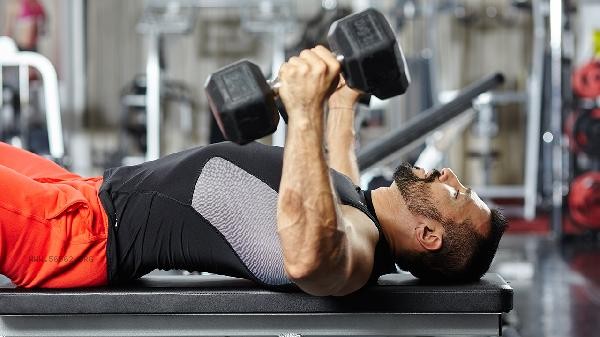
Scientific weight loss should be based on the daily calorie deficit, and it is recommended to achieve it through reasonable control of total calorie intake and increased aerobic exercise. Fat flow tea is most commonly used as an adjunct and should not be consumed continuously for more than one month. If discomfort symptoms such as palpitations and fatigue occur, immediate cessation of use is recommended. During weight loss, it is recommended to regularly monitor core indicators such as body fat percentage and waist circumference. If necessary, consult a nutritionist or endocrinologist to develop personalized plans.









Comments (0)
Leave a Comment
No comments yet
Be the first to share your thoughts!