
Eating only beef as a weight loss method may result in short-term weight loss, but long-term monoculture can lead to nutritional imbalance and health risks. Beef is rich in high-quality protein and iron, but lacks essential nutrients such as dietary fiber and vitamin C, which may cause problems such as constipation and weakened immunity. The high protein properties of beef can enhance satiety, reduce total calorie intake, and may promote weight loss in the short term. The process of protein digestion and absorption consumes more energy, which helps to increase the basal metabolic rate. However, consuming red meat alone may increase saturated fat intake and affect lipid metabolism. Long term lack of carbohydrates may lead to metabolic disorders such as hypoglycemia and ketoacidosis. Insufficient dietary fiber can easily lead to dysbiosis of the gut microbiota and difficulty in defecation. This extreme dietary approach may induce various nutritional deficiencies beyond iron deficiency anemia. Vitamin B1 deficiency may lead to peripheral neuropathy, while vitamin D deficiency affects calcium absorption. Insufficient intake of fruits and vegetables can reduce the intake of antioxidants and increase the risk of oxidative stress. Women may experience menstrual disorders, and teenagers may have an impact on their growth and development. People with a history of chronic kidney disease or gout should be more vigilant about the side effects of high protein diets.
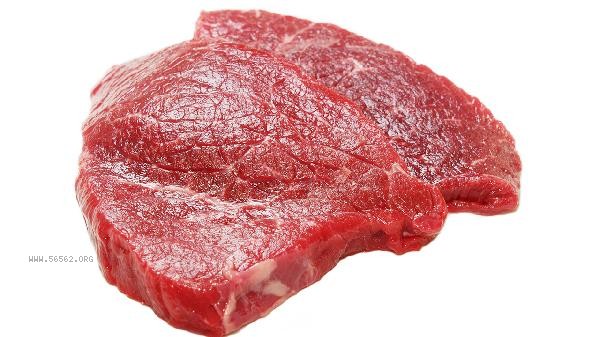
It is recommended to adopt a balanced diet combined with exercise as a safe weight loss method. Daily intake of diverse foods such as whole grains, dark vegetables, and low sugar fruits should be moderate, and total calories should be controlled within a reasonable range. Priority can be given to selecting lean beef parts such as beef tenderloin, with a weekly intake of no more than 500 grams of red meat. If discomfort symptoms such as fatigue and dizziness occur, seek medical attention promptly to assess nutritional status, and adjust dietary structure under the guidance of a nutritionist if necessary.









Comments (0)
Leave a Comment
No comments yet
Be the first to share your thoughts!