
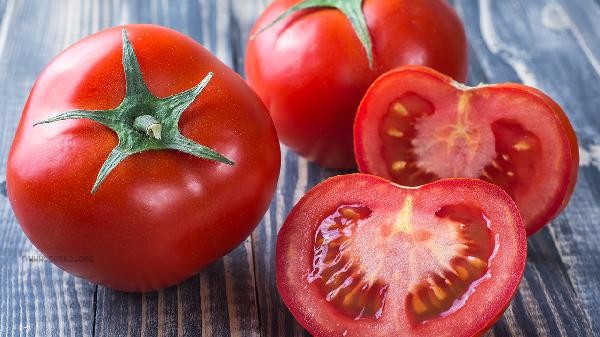
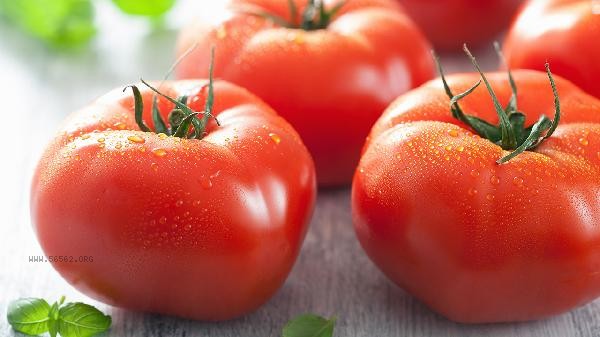
When tomatoes mature, they usually show a uniform red color on the skin, slightly soft and fragrant flesh, and no green residue around the stem. Judging the maturity of tomatoes can be comprehensively observed from multiple aspects such as appearance, texture, and aroma. The transition of tomato skin color from green to uniform red or yellow is the most intuitive sign of maturity, and the color of maturity may vary slightly among different varieties. When lightly pressing the fruit with your fingers, you can feel a slight elasticity. If it is too hard, it may not be fully ripe, and if it is too soft, it may be too ripe. Mature tomatoes emit a fresh fruity aroma, while unripe fruits have a lighter or tasteless scent. If there is a green circle mark left at the connection between the fruit stem and the fruit, it usually indicates that it is not fully ripe. Some tomato varieties, such as cherry tomatoes, may still have trace green stripes after maturity, which is a normal phenomenon. Tomatoes grown in greenhouses may exhibit uneven color due to insufficient light, but the softness, hardness, and aroma of the flesh remain important criteria for judgment. After harvesting, leaving it at room temperature for 1-3 days can promote post ripening, but the flavor is not as rich as naturally ripe tomatoes. Avoid choosing fruits with cracked or partially blackened skin, as they may have already started to spoil.
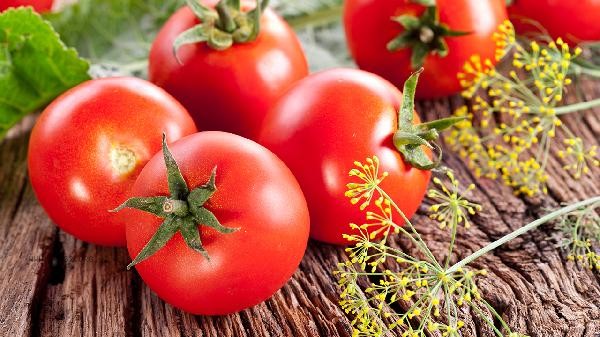
After selecting mature tomatoes, they can be refrigerated for 2-3 days, but low temperatures can affect the taste. It is recommended to consume them as soon as possible. When making salads or cold dishes, it is better to choose fully ripe tomatoes for better flavor. When cooking or stewing, you can choose fruits with slightly lower maturity to maintain their shape. Tomatoes are rich in lycopene and vitamin C, and the nutrients of ripe fruits are more easily absorbed by the human body. However, it should be noted that rotten and spoiled tomatoes may produce harmful substances, and should be carefully inspected before consumption.








Comments (0)
Leave a Comment
No comments yet
Be the first to share your thoughts!