
Whether mushrooms are poisonous can be preliminarily judged by observing their color, odor, growth environment, gill characteristics, and secretions. However, it is difficult for non professionals to accurately identify them, and ingestion of poisonous mushrooms may lead to serious poisoning or even death.
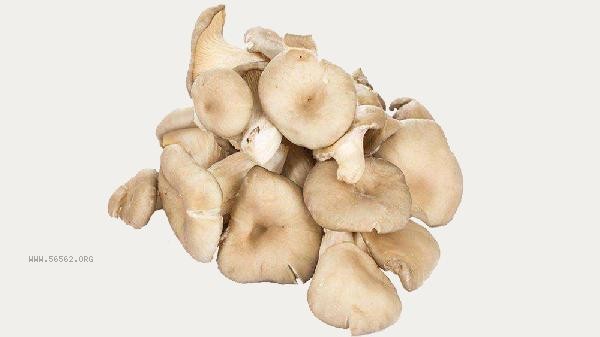
1. Abnormal Color
Some poisonous mushrooms have bright warning colors, such as red, orange, or fluorescent, but not all brightly colored mushrooms are poisonous. Some highly poisonous mushrooms, such as the White Poison Umbrella, are pure white and have a similar appearance to edible mushrooms. Color can only serve as an auxiliary criterion for judgment and cannot be used as a standalone identification standard.
2. Stinky odor
Most toxic mushrooms emit a putrid, sour, or chemical odor, while edible mushrooms often have a light or no distinct odor. But some poisonous mushrooms, such as death caps, have a mild odor and are difficult to distinguish from edible mushrooms. There are significant limitations in judging based on odor.
3. Growth Environment
Poisonous mushrooms often grow in dark, damp, and humus rich environments, such as around decaying trees or animal feces. But some edible fungi also grow in similar environments. The growth position cannot be used as an absolute criterion for judgment, and it needs to be comprehensively judged in combination with other characteristics.
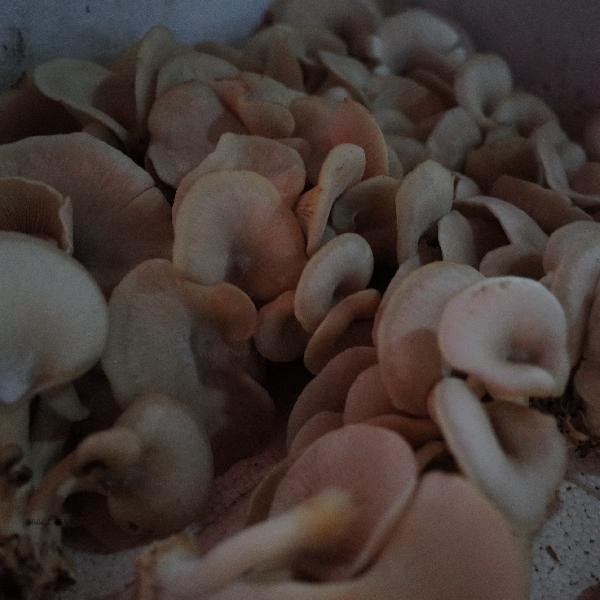
4. Characteristics of mushroom gills
Toxic mushroom gills may exhibit abnormal color or secrete colored juice, and some types of gills may change color after injury. But many edible mushrooms also have similar characteristics, such as boletus turning blue after injury. Relying solely on the characteristics of fungal folds can easily lead to misjudgment.
5. Professional identification
Mushroom toxicity can only be accurately determined by observing spore morphology under a microscope or conducting chemical testing. There is no scientific basis for the methods of silver discoloration and insect infestation testing that are widely circulated among the people. It is recommended to completely avoid picking wild mushrooms and choose varieties that have been tested in regular markets when purchasing. The most effective way to prevent mushroom poisoning is to avoid consuming wild mushrooms of unknown origin. If you experience symptoms such as nausea, vomiting, and hallucinations after ingesting poisonous mushrooms, you should immediately bring the remaining mushroom samples to seek medical attention. It is recommended to choose common edible mushrooms sold in supermarkets or regular markets for daily diet, such as shiitake mushrooms, enoki mushrooms, etc. Thoroughly clean and heat up before cooking, as undercooked edible mushrooms may also cause gastrointestinal discomfort. Mushrooms should be stored in a dry and ventilated environment to avoid spoilage and toxin production. For people with special physical conditions, it is recommended to try a small amount of new types of mushrooms for the first time and observe for any allergic reactions.








Comments (0)
Leave a Comment
No comments yet
Be the first to share your thoughts!