
After lotus roots turn black, they can be restored to their white color by soaking them in vinegar water, blanching them, and storing them in refrigeration. The blackening of lotus roots is mainly related to factors such as oxidation reactions, leakage of phenolic substances, and improper storage. It can still be safely consumed after reasonable processing.
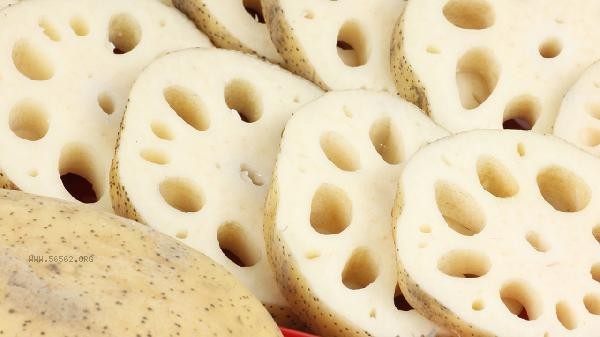
1. Soak in vinegar water
Immediately immerse the peeled and cut lotus roots in water containing white vinegar for 10 minutes. Acetic acid can inhibit polyphenol oxidase activity and block the oxidation of phenolic substances to quinone melanin. This method is suitable for pre-treatment before cooking, and after treatment, it needs to be rinsed with clean water to avoid residual acidity. Note that the concentration of vinegar should not be too high. Add 5 milliliters of white vinegar to 500 milliliters of clean water.
2. Blanching treatment
Add a small amount of salt to boiling water, blanch the lotus root slices for 30 seconds, and then quickly rinse with cold water. High temperature inactivates oxidase, while salt helps stabilize color. After blanching, lotus roots will appear semi transparent, suitable for cold dishes or quick stir fried dishes. It is necessary to control the blanching time, as prolonged blanching can cause the texture to become soft and rotten.
3. Refrigerate storage
Untreated lotus roots should be wrapped in plastic wrap and placed in a refrigerator at 4 ° C. Low temperature environments can delay enzymatic browning. This method is suitable for short-term storage and can maintain a clear and white sky for 2-3 days. If the lotus root has been cut open, it should be completely submerged in clean water and the water should be changed daily to avoid accelerated oxidation caused by dissolved oxygen in the water.
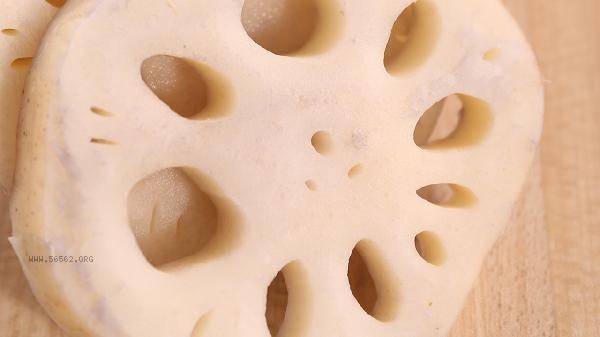
4. Vitamin C treatment
Crush and dissolve vitamin C tablets in water, soak the blackened lotus root for 15 minutes. Vitamin C, as a reducing agent, can reduce black quinones to colorless phenols while directly inhibiting oxidase activity. Adding 100 milligrams of vitamin C per liter of water can take effect, and there is no need to rinse after treatment.
5. Peeling correction
For lotus roots with slight oxidation, the surface 1-2 millimeters of blackened area can be removed, and the internal tissue usually remains white. This method is suitable for local oxidation, and it is recommended to cook as soon as possible after correction. If oxidation has penetrated into the lotus root pores, it is not recommended to continue consuming.
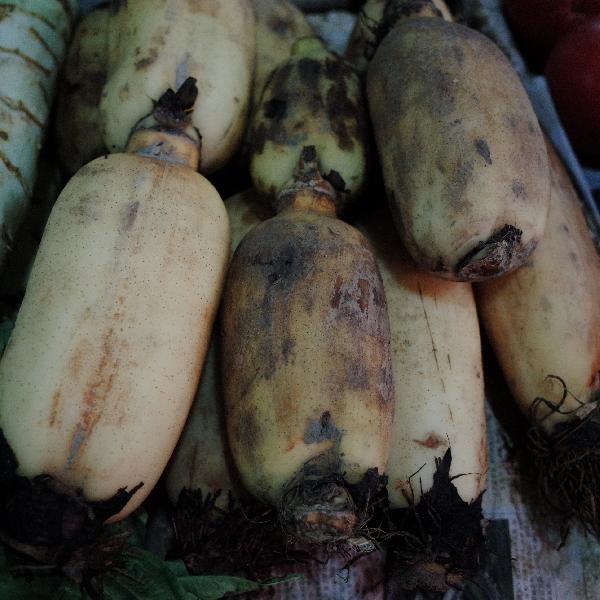
When purchasing lotus roots in daily life, it is recommended to choose fresh lotus roots with smooth and undamaged skin and short and thick nodes. Cutting them open and cooking them as soon as possible can effectively prevent oxidation and blackening. Processed lotus roots can be used to make dishes such as glutinous rice roots and stir fried lotus root slices, while maintaining a crisp texture and a white appearance. If lotus roots have large areas of black spots or a strange odor, they may have spoiled and should be stopped from consumption. Avoid storing fruits with high ethylene release, such as apples and bananas, to extend their shelf life.








Comments (0)
Leave a Comment
No comments yet
Be the first to share your thoughts!