
White tofu can be covered into Stinky tofu through fermentation. The main steps include material selection, inoculation, temperature control fermentation, seasoning and pickling, and later storage. The key to the production of Stinky tofu lies in the fermentation of Mucor, which requires strict control of sanitary conditions and fermentation time.
I. Material selection
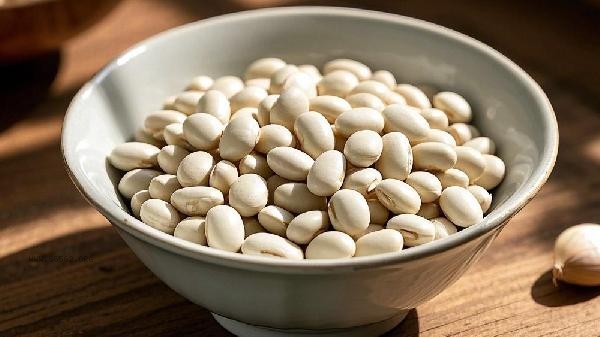
Fresh and old tofu with moderate water content and compact texture is required for making Stinky tofu. Tofu should be cut into uniform chunks, blanched in boiling water, and drained of surface moisture to avoid contamination by miscellaneous bacteria. The processed tofu should be placed on a breathable bamboo sieve and kept in a well ventilated and dry environment.
2. Inoculation of bacterial strains
Traditional methods involve uniformly spraying a suspension of Aspergillus spores onto the surface of tofu or covering it with straw for natural inoculation. Modern technology can use pure cultured Aspergillus powder, which should be proportioned and evenly distributed when applied to tofu. After inoculation, let it stand to allow the mycelium to initially adhere.
III. Temperature controlled Fermentation
Place the inoculated tofu in an environment of 15-25 ℃ for 48-72 hours of fermentation, with humidity maintained at around 70%. During fermentation, white mycelium will form on the surface of tofu, and when the core temperature rises, it needs to be turned over for adjustment. Excessive fermentation can cause tofu to soften and collapse, and it is necessary to observe the condition regularly.
4. Seasoning and marinating
Fermented tofu needs to be soaked in brine mixed with spices such as salt, Sichuan pepper, cinnamon, etc. The concentration of the brine affects the saltiness of the finished product. The pickling time is usually 12-24 hours, during which it is stirred to ensure even flavor. Some processes will add natural ingredients such as amaranth stems to enhance the special flavor.
V. Post preservation
The cured Stinky tofu can be fried for instant use or continue to be fermented for flavor enhancement. Finished products that require refrigeration should be sealed and isolated from air to avoid secondary pollution. Traditional methods involve burying tofu in rice husks and slowly maturing it, while modern methods often use vacuum packaging to extend its shelf life.
When making Stinky tofu at home, special attention should be paid to food safety. The fermentation container should be sterilized at high temperature. In case of black spots or odor, it should be discarded. Stinky tofu contains high salt and biogenic amine, and people with hypertension or allergy should control the consumption. It is recommended that first-time users purchase fermented bean products produced by reputable manufacturers to ensure standardized production processes. When consumed, fresh vegetables can be paired to balance nutrition, and the frying temperature should be above 160 ℃ to inactivate residual microorganisms.








Comments (0)
Leave a Comment
No comments yet
Be the first to share your thoughts!