
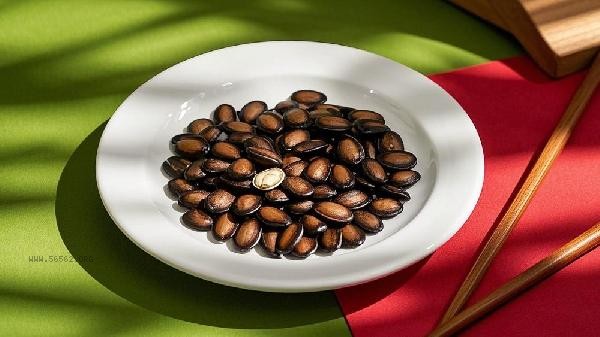
Wet watermelon seeds can be stored for an extended period of time through methods such as drying and sealing, low-temperature refrigeration, vacuum preservation, moisture-proof agent assistance, and regular inspection. A humid environment can easily lead to mold growth or oxidation deterioration, so special attention should be paid to moisture and light avoidance.
1. Dry and seal
Spread wet sunflower seeds evenly in a dry and ventilated place to air dry, or use a food dryer to dehydrate them at low temperature until completely dry. After thorough drying, put it into a sealed jar or food grade self sealing bag, remove the air inside the bag, and seal it. It is recommended to choose opaque materials for sealed containers to avoid accelerated fat oxidation caused by light exposure. This method is suitable for short-term storage and should be placed in a cool and shady place.
2. Low temperature refrigeration
After drying, watermelon seeds can be placed in a fresh-keeping box and placed in the refrigeration layer of the refrigerator, with the temperature controlled at around 4 ℃. Refrigeration can effectively inhibit microbial growth, but attention should be paid to sealing tightly to prevent absorption of moisture inside the refrigerator. If stored for more than two weeks, it is recommended to divide into small portions to reduce humidity changes caused by repeated opening and closing. After refrigeration, it can be slightly baked before consumption to restore its crispy texture.
3. Vacuum preservation
Using a household vacuum machine to vacuum pack dried watermelon seeds can isolate oxygen and moisture, extending the shelf life to 3-6 months. Vacuum bags should be made of thick materials to prevent damage, and the recommended amount per bag should be one serving. If the food is not consumed after opening, it needs to be vacuumed again or stored in other sealed ways. This method has requirements for the equipment, but it has the best anti deterioration effect.
4. Moisture proof agent assistance
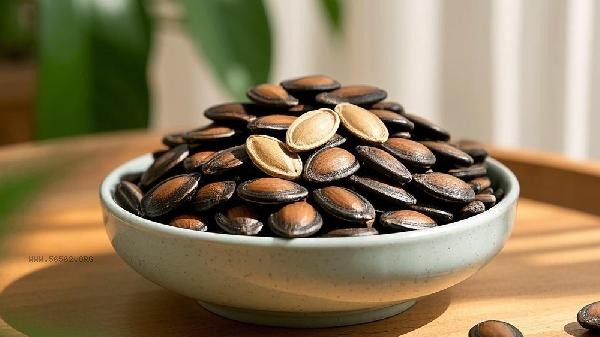
Place food grade desiccants or deoxidizers in sealed containers to adsorb residual moisture and oxygen. Silicone desiccants need to be replaced regularly, while deoxidizers are mostly disposable. Please note that the moisture-proof agent should not come into direct contact with the melon seeds and should be separated with gauze. This method is suitable for southern regions with high humidity and works better when used in conjunction with sealed containers.
5. Regular inspection
During storage, check the condition of the melon seeds every two weeks to observe whether they have become damp, softened, moldy, or have a crackling smell. Slightly damp, the desiccant can be replaced after re drying. If it has become moldy, it should be discarded immediately. It is recommended to label the storage date on the outside of the container and prioritize consuming earlier batches. If insect eggs or cavities are found, the storage environment should be thoroughly cleaned. Watermelon seeds are rich in unsaturated fatty acids, and improper storage can lead to spoilage and harmful substances. In addition to the above methods, it is recommended to choose fresh ingredients when purchasing and remove damaged seeds before processing. A small amount of multiple processing can ensure freshness for consumption, and it is recommended to consume it within a week after opening. If stored for a long time, freezing can be considered, but thawing may slightly affect the taste. The recommended daily intake is 20-30 grams to avoid excessive intake of fats and oils.








Comments (0)
Leave a Comment
No comments yet
Be the first to share your thoughts!