
The skin of mung bean sprouts can be quickly removed by soaking, scrubbing, or blanching. The main methods for removing mung bean sprouts include gentle scrubbing, short-term soaking, rapid blanching, sieve filtration, and refrigeration separation.
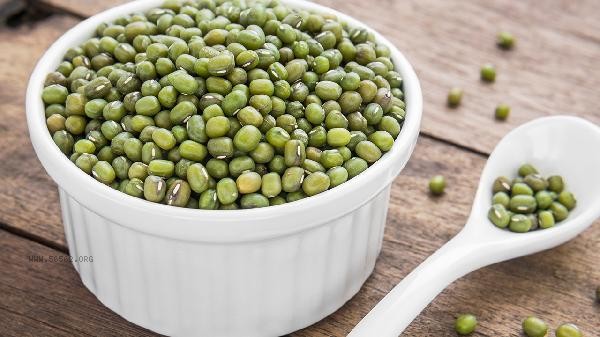
1. Gently Rub
Put the mung bean sprouts into clean water and gently rub the roots of the sprouts with your hands. The skin will peel off due to friction. This method is suitable for fresh and plump bean sprouts. When scrubbing, pay attention to the strength to avoid damaging the tender sprouts. It is recommended to use room temperature water for the water temperature, as overheating can cause nutrient loss from bean sprouts. After scrubbing, rinse off any remaining skin debris with running water.
2. Short term soaking
Soak bean sprouts in water at around 40 degrees Celsius for 3 minutes, and the skin will absorb water and expand, making it easier to peel off. Adding a small amount of salt to water can help soften cellulose. After soaking, gently shake the container, and most of the skin will naturally float up. This method is more effective for older bean sprouts that have been stored for a longer period of time, but the time needs to be controlled to avoid excessive water absorption and affecting the taste of the sprouts.
3. Quick blanching
Add a few drops of cooking oil to boiling water, blanch the bean sprouts for 10 seconds, and immediately supercool them. The principle of thermal expansion and contraction will separate the epidermis from the bud, which can be removed by gently stirring with chopsticks. Adding oil during blanching can form a protective film to reduce the loss of vitamin C. Pay attention to controlling the time, excessive heating can cause the bean sprouts to lose their crispy and tender texture.
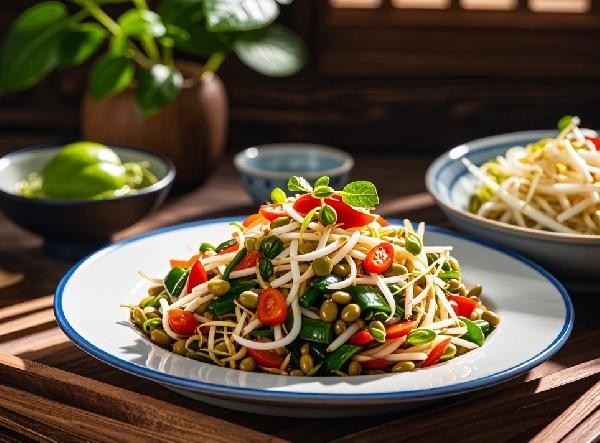
4. Sieve filtration
Place the bean sprouts into a sieve with a mesh diameter of 2-3 millimeters and sieve them repeatedly under the impact of water flow. The lighter skin will leak out of the mesh, while the heavier bean sprouts will remain in the sieve. Double layer screening can be chosen to improve efficiency, with the upper layer screening out large particles and the lower layer collecting small skin particles. This method is suitable for batch processing, but may leave a small amount of stubborn epidermis.
5. Refrigeration separation
Unclean bean sprouts should be sealed and refrigerated for 2 hours before being removed. Low temperature will cause the skin to shrink and create gaps. Gently shake the inverted container, and the dry skin will naturally peel off. This method can maintain the integrity of bean sprouts and is suitable for dishes that require shaping and arranging. Please note that the refrigeration time should not exceed 4 hours to avoid a decrease in the freshness of the bean sprouts.
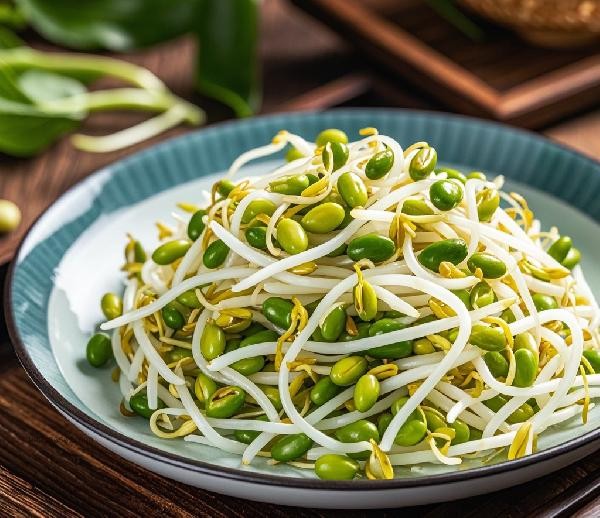
It is recommended to store the processed mung bean sprouts in a fresh-keeping box and consume them as soon as possible to avoid nutrient loss. Can be paired with ingredients such as shredded carrots and fungus for cold mixing, or quickly stir fried to preserve the crispy and tender taste. Soak in ice water to delay oxidation during daily storage, and remove the skin before cooking to better retain moisture. When choosing bean sprouts, it is best to have straight sprouts and pure white roots. This type of bean sprout has a looser attachment on the surface and is easier to handle. For those with spleen and stomach deficiency and coldness, it is recommended to thoroughly cook the bean sprouts before consumption. A small amount of ginger can be added to neutralize the coldness.








Comments (0)
Leave a Comment
No comments yet
Be the first to share your thoughts!