
The key to making red beans soft and sticky without breaking their skin when cooked lies in early soaking and controlling the heat, mainly including soaking in cold water, slow cooking over low heat, timing of sugar addition, water control, and using a pressure cooker.
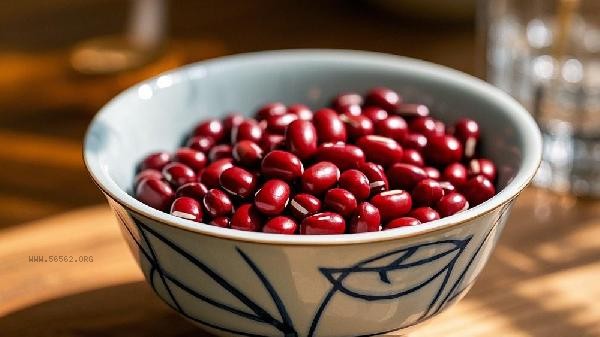
1. Soaking red beans in cold water
Red beans have a hard texture and are prone to cracking of the outer skin and internal growth when cooked directly. It is recommended to soak in clean water for more than 8 hours, and in summer, it can be refrigerated to prevent fermentation. After sufficient water absorption, the structure of red bean cells becomes relaxed, and when heated, it is evenly heated both inside and outside, which can maintain the integrity of the epidermis. If time is tight, soaking in warm water can be shortened to 4 hours, but the effect is slightly inferior to slow soaking in cold water.
2. Slow cooking over low heat
Boiling over high heat can cause red beans to vigorously roll and collide, resulting in skin breakage. After the water boils, turn to low heat to maintain a slight boiling state, and the water surface should fluctuate slightly. Traditional clay pots have uniform heat transfer and are more suitable for slow cooking. During this period, a small amount of cold water can be added to cool down and promote starch gelatinization through the principle of thermal expansion and contraction. The softness can be tested by gently pressing with chopsticks, which can be easily rolled open and cooked thoroughly.
3. Timing of Sugar Addition
Adding sugar too early can cause the skin of red beans to shrink and harden. It is recommended to cook until 80% soft before adding sugar. At this point, the beans have fully absorbed water and expanded, and the penetration of sugar will not affect the texture. Brown sugar or rock sugar is easier to blend, and if using sugar, stir until completely dissolved. In patients with diabetes, sweeteners can be replaced by sugar substitutes or prolonged cooking time.
4. Water control
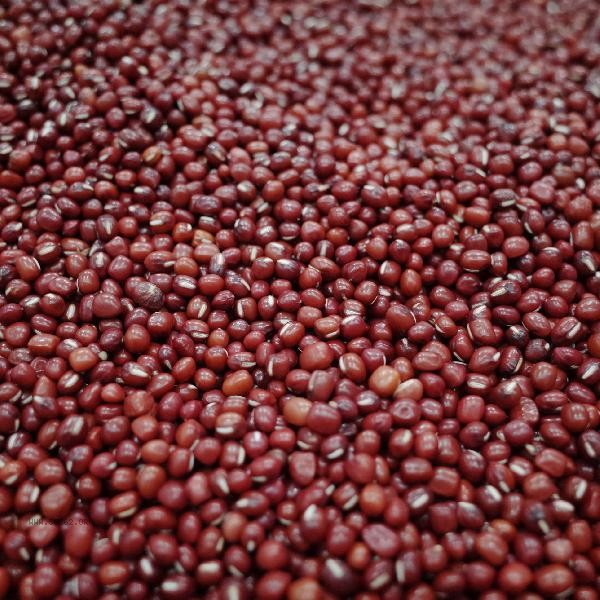
Insufficient water content can easily cause sticking and damage to the bean skin. It is recommended to use a ratio of 1:3 for bean water. Use a wide mouthed pot to evenly evaporate water, and add hot water midway to avoid excessive temperature differences. Boil until the beans bloom and keep the water level two fingers above them. When collecting the juice later, be careful to stir to prevent clumping. The heat storage of purple clay pots or enamel pots helps stabilize water temperature.
5. Using a pressure cooker
in a high-pressure environment can quickly soften cellulose without damaging the skin. Adding water to raw red beans takes less than a finger, and after being pressed for 15 minutes, it naturally releases pressure, saving two-thirds of the time compared to ordinary cookware. Pay attention to checking the aging condition of the sealing ring. If the hardness is not enough after opening the lid, it can be returned to the pot for juice collection. Choosing the bean function key for the electric pressure cooker is more convenient and suitable for novice kitchen operators. Red beans are rich in dietary fiber and potassium, and when cooked with lotus seeds or Job's tears, they can enhance their moisture removing effect. Cooked red beans stored in refrigeration need to be boiled for sterilization. For those with gastrointestinal weakness, it is recommended to filter out some of the bean skins. For daily consumption, Red bean soup, red bean soup or Congee can be made to avoid eating with high oxalic acid foods that affect mineral absorption. Control daily intake within 50 grams, and temporarily abstain from legumes during gout attacks.








Comments (0)
Leave a Comment
No comments yet
Be the first to share your thoughts!