
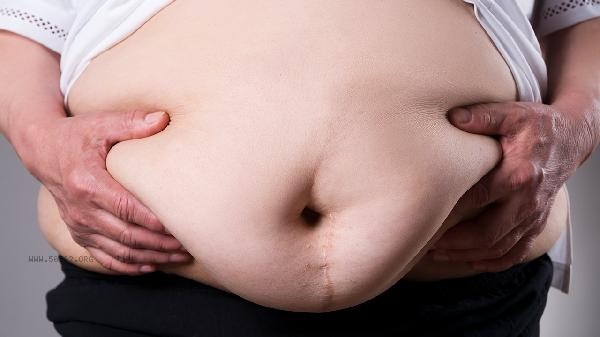
People with loose meat need comprehensive interventions such as diet control, exercise, and lifestyle adjustments to lose weight. Meat floss is usually associated with low muscle content and high body fat percentage. It is recommended to adopt a strategy of increasing muscle mass and reducing fat to avoid exacerbating skin laxity caused by simple dieting.

1. Dietary Control
Daily calorie intake should be slightly lower than basal metabolic requirements, and high protein foods such as chicken breast, egg white, and low-fat dairy products should be prioritized to help maintain muscle mass. carbohydrates are mainly from coarse grains such as oats and brown rice, reducing the intake of refined sugars. Vegetables and fruits provide dietary fiber and vitamins, and it is recommended to consume more than 500 grams of dark vegetables per day. Avoid deep frying when cooking, and use steaming and cold mixing instead.
2. Resistance Training
Conduct strength training 3-4 times a week, focusing on exercising large muscle groups such as squats, hard pulls, bench presses, and other compound movements. Use dumbbells, elastic bands, or self weight training, 8-12 times per group to reach exhaustion. supplementing with 20-30 grams of whey protein after training helps with muscle synthesis. Beginners should start with light weight and gradually increase the load to avoid injury.
3. Aerobic exercise
Choose moderate intensity aerobic activities such as brisk walking, swimming, and cycling, for at least 150 minutes per week. High intensity interval training can increase metabolic rate, but it needs to be adjusted according to physical condition. Warm up and stretch thoroughly before and after exercise to avoid joint injuries. People with high body fat percentage can increase aerobic duration appropriately, but it needs to be combined with strength training to prevent muscle loss.
4. Water management
Drink 2000-2500 milliliters of water daily to promote metabolism, and replenish electrolytes in a timely manner before and after exercise. Limit the intake of high sodium food to avoid the false appearance of edema caused by water retention. Moderate consumption of beverages such as green tea and black coffee can improve metabolism, but avoid adding sugar. Reduce water intake 2 hours before bedtime to prevent affecting sleep quality.
5. Schedule Adjustment
Ensure 7-8 hours of high-quality sleep per day, with the peak secretion of growth hormone occurring during deep sleep. Avoid staying up late to increase cortisol and promote fat accumulation. When under excessive pressure, relaxation exercises such as meditation and deep breathing can be performed. Establishing a regular sleep schedule can help maintain a stable metabolic level. During weight loss, regular measurements of body fat percentage and muscle mass should be taken to avoid excessive pursuit of weight loss. For those with obvious skin laxity, they can consult a doctor about tightening treatments such as radiofrequency and microcurrent. Maintain patience in executing the plan, muscle growth requires continuous stimulation and nutritional support. If discomfort such as dizziness and fatigue occurs, adjust the plan in a timely manner and seek guidance from a professional nutritionist if necessary.








Comments (0)
Leave a Comment
No comments yet
Be the first to share your thoughts!